Author
Books like Patrick Ness
6 books we recommend to Patrick Ness readers, drawn from A Monster Calls and The Knife of Never Letting Go — each with the reason why.
If you loved A Monster Calls
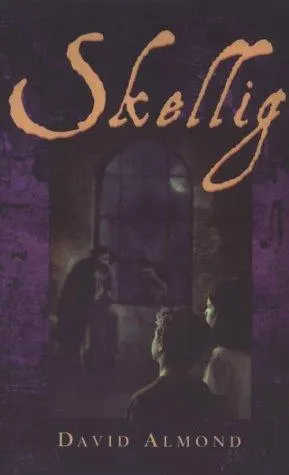
Almond’s strange, spare novel has the same gift for making the supernatural feel less like an escape from suffering than a way of touching what ordinary language cannot reach. While Michael’s baby sister lies dangerously ill, he discovers an inexplicable, winged being in a ruined garage. What follows remains wonderfully resistant to tidy interpretation.
Winner of both the Carnegie Medal and the Whitbread Children’s Book Award, Skellig is lyrical without becoming sentimental. Like Ness, Almond trusts silence, uncertainty, and startling physical detail. Its creature may be angel, animal, invalid, or something beyond all three—and that mystery gives the story its haunting power.
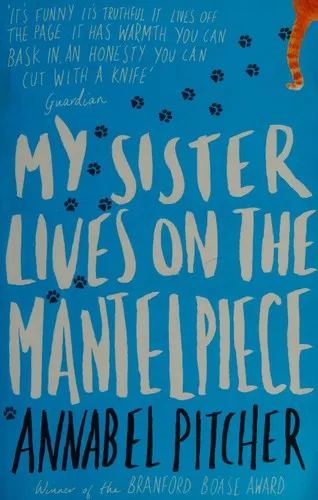
If what devastated you in A Monster Calls was its honesty about grief—especially the anger, shame, resentment, and even relief that can accompany love—read this. Ten-year-old Jamie’s family has been fractured by his sister’s death, but he does not mourn in the manner the adults around him expect. He is funny, observant, confused, and painfully loyal.
Pitcher uses no fantasy at all, yet Jamie’s voice performs a similar miracle: it makes unbearable emotions approachable without making them smaller. The Branford Boase Award–winning novel is sharp about prejudice and damaged parents, but never reduces anyone to a lesson. Its warmth is hard-earned, which makes it linger.
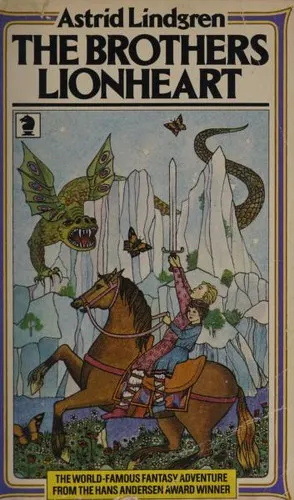
Lindgren begins by allowing a frightened child to speak openly about death, then carries him into a tale of brotherly devotion, tyranny, dragons, courage, and sacrifice. The fantasy has the clear shapes of legend, but beneath them are difficult questions: What does bravery mean when you are terrified? What can love ask of us? How do stories help us face what cannot be avoided?
A lasting classic by the creator of Pippi Longstocking, The Brothers Lionheart has inspired intense devotion—and occasional controversy—because it refuses comforting evasions. Like A Monster Calls, it respects young readers enough to bring them close to darkness while insisting that tenderness can survive there.
If you loved The Knife of Never Letting Go
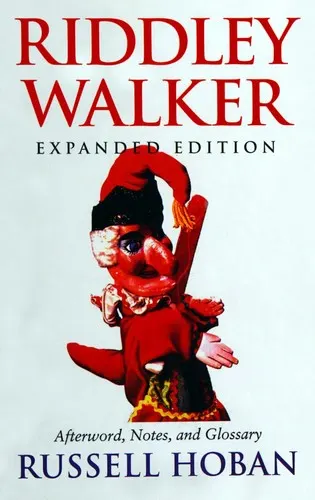
Like Todd’s Noise, Riddley’s fractured dialect initially feels disorienting; soon it becomes the only imaginable way his mind could speak. Twelve-year-old Riddley lives among the remnants of a civilization whose history survives as ritual, propaganda and half-understood story. When he acquires a new public role, powerful adults begin trying to use him.
Hoban makes reading itself an act of discovery. Jokes, threats and buried meanings emerge as your ear adjusts, while Riddley struggles to distinguish inherited lies from truth. This enduring cult classic is stranger and more demanding than most young-adult dystopias, but admirers of Ness’s linguistic daring and distrust of authority may find it uniquely rewarding.
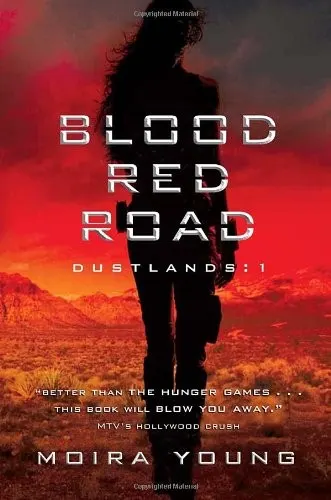
Saba’s twin brother is taken in the opening pages, and she pursues him with such furious single-mindedness that the novel seems to run rather than read. Moira Young strips away quotation marks and conventional polish, giving Saba a rough, immediate voice whose rhythms carry fear, anger and stubborn love.
What connects her to Todd is not merely flight through a brutal world, but painful moral growth. Saba is abrasive, prejudiced and often wrong; her courage matters because it does not make her automatically good. Winner of the Costa Children’s Book Award, Blood Red Road delivers the breathless momentum of Ness’s novel while insisting that survival and decency are separate achievements.
After a civil war over abortion, society reaches a grotesque compromise: teenagers may be legally ‘unwound,’ with their bodies divided for transplantation. Connor, Risa and Lev face that fate for very different reasons, and their intersecting perspectives expose how families, religion and bureaucracy manufacture comforting language for cruelty.
Shusterman’s great weapon is escalation. Every new detail follows logically from the premise, making the world more horrifying precisely because ordinary people have learned to accept it. As in The Knife of Never Letting Go, a gripping chase becomes an argument about personhood, complicity and what adults owe children. Unwind remains one of YA dystopia’s most unsettling novels because its central euphemism is impossible to forget.