Author
Books like Pär Lagerkvist
3 books we recommend to Pär Lagerkvist readers, drawn from The Dwarf — each with the reason why.
If you loved The Dwarf

Like Lagerkvist, Camus gives moral authority to a voice that should not be trusted. In an Amsterdam bar, Jean-Baptiste Clamence buttonholes a stranger and begins recounting his exemplary former life. His elegant confession gradually becomes an interrogation: every admission of hypocrisy is also a trap laid for his listener.
This is less overtly grotesque than The Dwarf, but just as corrosive. Its wit, brevity, and aphoristic clarity make self-loathing sound seductively lucid, while its real subject is the pleasure people take in judging others. Camus’s final completed novel, published in his lifetime, is among his most fiercely admired works—and perhaps the one most likely to keep speaking after you have closed it.
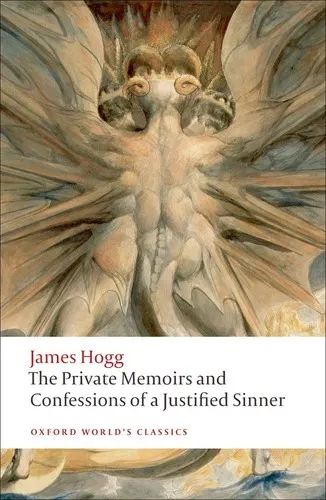
Hogg’s 1824 masterpiece offers another first-person monster who turns an absolute idea into permission for cruelty. Its narrator has been taught that he belongs among the elect; convinced that his salvation is secure, he begins to regard ordinary morality as a constraint meant for lesser souls. Then he meets a mysterious companion who seems to understand and encourage him perfectly.
The novel’s double structure—an ostensibly objective account followed by the sinner’s own memoir—makes certainty itself feel uncanny. Where Lagerkvist anatomizes hatred, Hogg anatomizes fanaticism: both show evil borrowing the vocabulary of purity. Long neglected and now recognized as a great Scottish novel, it anticipates the psychological double, the unreliable confession, and the modern study of ideological possession with astonishing force.
Karel Kopfrkingl is a respectable Prague crematorium employee, affectionate family man, and tireless dispenser of soothing thoughts about death. His language is gentle, repetitive, almost musical; beneath it, vanity and spiritual emptiness quietly prepare themselves to welcome a murderous political creed.
Fuks achieves something close to Lagerkvist’s peculiar fusion of allegory and psychology: Kopfrkingl is both an individual consciousness and a demonstration of how evil recruits people through flattery, euphemism, and the fantasy of being morally elevated. Yet the book has its own flavor—macabre, claustrophobic, and horribly funny, with repeated phrases returning slightly altered until they feel like locks clicking shut. A classic of postwar Czech literature, it is one of the sharpest novels ever written about a mediocre man learning to call his appetites virtue.