Author
Books like Nicole Krauss
3 books we recommend to Nicole Krauss readers, drawn from The History of Love — each with the reason why.
If you loved The History of Love
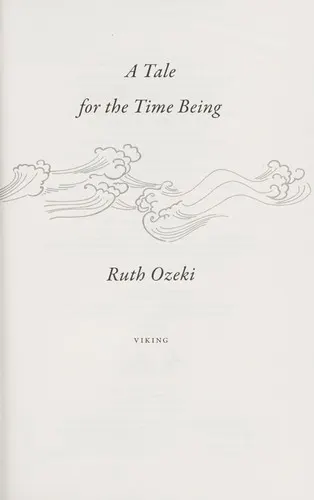
A novelist on a remote Canadian island finds a Japanese teenager’s diary washed ashore and becomes consumed by the life inside it. As in Krauss’s novel, reading is an intimate act of rescue: words cross oceans, outlast their circumstances, and change the person holding them.
Ozeki moves between adolescent despair, Zen wisdom, comedy, and metaphysical uncertainty without losing her emotional clarity. This Booker Prize finalist is both intellectually playful and profoundly humane—the ideal next book for anyone who loved how Krauss turns literary puzzles into proof that no life is entirely unreachable.
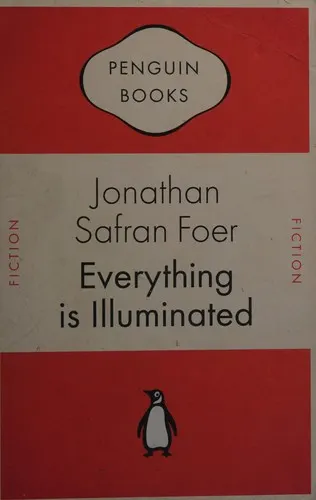
Foer’s debut has the same audacious tonal range that makes The History of Love so affecting: exuberant comedy can suddenly expose buried grief, and eccentric voices become instruments for telling what ordinary language cannot.
A young American and his gloriously unreliable Ukrainian guide search for traces of a vanished Jewish community, while competing narratives reshape the past around them. Winner of the Guardian First Book Award and the National Jewish Book Award, it remains remarkable for its linguistic invention—but its real achievement is emotional. Beneath every joke is the urgent question of what stories owe the dead.
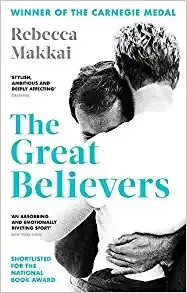
Makkai’s novel begins in 1980s Chicago, among friends watching AIDS close in on their community, then opens onto a second timeline decades later. Its kinship with Krauss lies not in setting but in its understanding of absence: the missing continue to occupy rooms, alter decisions, and demand love long after they are gone.
A Pulitzer finalist and winner of the Carnegie Medal, The Great Believers has the sweep of a historical novel and the intimacy of a private lament. Makkai gives peripheral lives their full weight, showing how friendship preserves what official history neglects. It is less whimsical than The History of Love, but equally tender—and its accumulated emotional force is unforgettable.