Author
Books like Nana Kwame Adjei-Brenyah
3 books we recommend to Nana Kwame Adjei-Brenyah readers, drawn from Chain-Gang All-Stars — each with the reason why.
If you loved Chain-Gang All-Stars
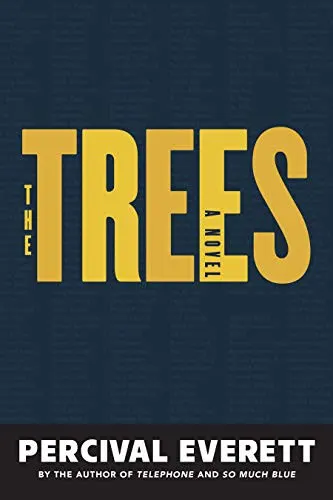
Everett turns American racial terror into a ferociously funny, increasingly uncanny crime novel. In Money, Mississippi, white men are found murdered beside the same mysterious corpse—a body that keeps disappearing—and two Black detectives arrive to investigate.
Like Adjei-Brenyah, Everett uses genre momentum as both pleasure and indictment: you race through the jokes, shocks, and reversals while the novel steadily implicates the history beneath them. Its comedy is audacious without trivializing its subject, and its anger grows until it feels almost biblical. Shortlisted for the Booker Prize, The Trees is the rare political novel whose moral force is inseparable from its wicked entertainment value.
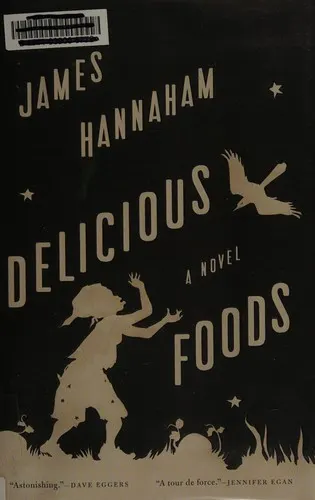
After grief and addiction leave Darlene vulnerable, she is recruited to a farm whose promises of work conceal a system of coercion, debt, and brutal exploitation. Hannaham renders that system with hallucinatory daring—most memorably by allowing crack cocaine itself to narrate parts of the story in a seductive, mocking voice.
That audacity will feel familiar to readers who admired how Chain-Gang All-Stars moves between satire, horror, documentary detail, and intimate anguish. Delicious Foods is equally alert to the euphemisms institutions use to disguise captivity, but its emotional center is a mother-son bond tested by forces that profit from separating people. Winner of the PEN/Faulkner Award, it is savage, strange, and heartbreaking: a novel whose formal risks make its human stakes hit harder.
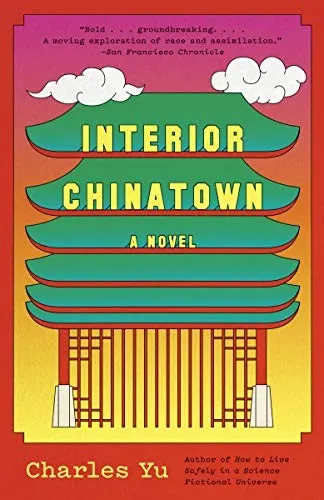
Willis Wu believes he is merely “Generic Asian Man,” a bit player trapped at the edge of a television police procedural called Black and White. His ambition is to earn the role of “Kung Fu Guy”—the highest position the script seems willing to grant him.
Written partly as a screenplay, Charles Yu’s National Book Award winner exposes how entertainment converts racial hierarchy into familiar roles, then persuades everyone inside the production to accept them. A reader who loved Adjei-Brenyah’s dissection of branding, spectatorship, and manufactured personas will recognize the same question here: what happens when the script imposed on you begins to govern your inner life? Interior Chinatown is lighter on its feet but no less piercing, and its wit gradually opens into something unexpectedly tender about family, inheritance, and the perilous work of imagining yourself beyond the part you were assigned.