Author
Books like Nadine Gordimer
3 books we recommend to Nadine Gordimer readers, drawn from The Conservationist — each with the reason why.
If you loved The Conservationist
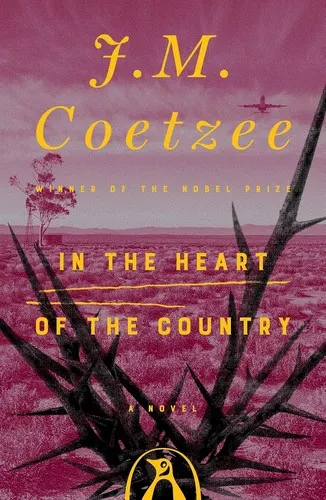
Like Gordimer, Coetzee traps us inside the mind of someone whom history has made powerful but not free. Magda, isolated on her father’s farm, narrates in numbered fragments that confess, fantasize, contradict, and revise. Her intelligence never guarantees self-knowledge—just as Mehring’s sophistication cannot conceal the evasions beneath his proprietary confidence.
This early novel helped establish Coetzee’s formidable reputation, and its severity remains startling. The farm is not scenery but a whole coercive language: who commands, who works, who is heard. If you admired how The Conservationist withholds a comfortable moral vantage point, this is indispensable.
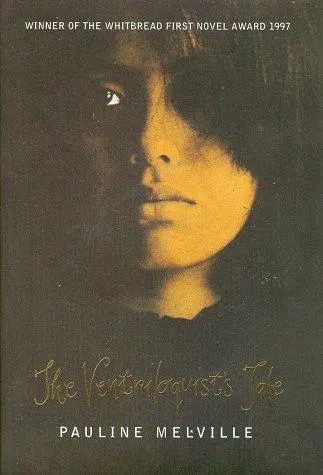
Melville’s Whitbread Prize-winning debut offers a more exuberant answer to Gordimer’s question of whether land can ever truly belong to those who claim it. Moving among Wapisiana lives in Guyana, colonial intrusion, family memory, and myth, it treats the landscape as an intelligence that survives every imported scheme for explaining or possessing it.
Its comedy, sensuality, and shape-shifting storytelling differ sharply from Gordimer’s controlled irony, but the kinship is profound: both novels expose conservation, civilization, and ownership as flattering words that power uses about itself. Melville also keeps asking who is speaking through whom—the essence of the title—and the result is one of the most inventive postcolonial novels in English.
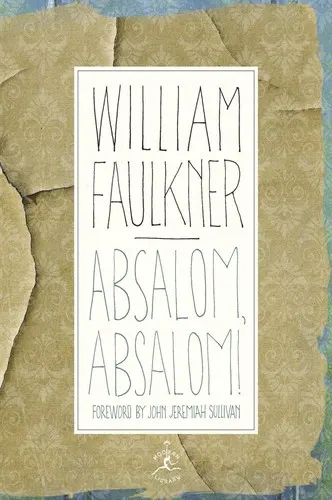
Rosa Coldfield summons Quentin Compson to hear about Thomas Sutpen, the man who tried to impose a dynasty upon a plantation called Sutpen’s Hundred. From that opening, Faulkner turns property into obsession: an estate becomes a projection of masculine will, while the stories told about it struggle to contain the violence on which it rests.
A reader responsive to Gordimer’s circling chronology, compromised consciousness, and land haunted by excluded lives will recognize the method immediately, intensified into Faulkner’s immense, recursive sentences. Often regarded as his supreme novel, Absalom, Absalom! does not merely recount a ruined dream of possession; it makes the reader participate in reconstructing—and judging—it. Few novels better demonstrate that the past is never safely buried.