Author
Books like Mircea Cărtărescu
3 books we recommend to Mircea Cărtărescu readers, drawn from Solenoid — each with the reason why.
If you loved Solenoid
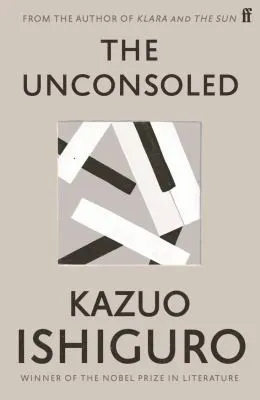
A celebrated pianist arrives in an unnamed European city and is immediately swallowed by appointments, requests and half-remembered obligations. Corridors lead where they should not; journeys collapse or expand; strangers address him with the intimacy of relatives. Ishiguro sustains this dream logic across hundreds of pages without ever breaking its spell.
Like Solenoid, it turns professional inadequacy and social embarrassment into metaphysical conditions. Its comedy is excruciating, its sadness cumulative, and its world feels governed by the secret laws of anxiety. Initially notorious for dividing critics, The Unconsoled has acquired a devoted following and is now often claimed as Ishiguro’s strangest masterpiece. Readers who surrender to it tend to become evangelists.
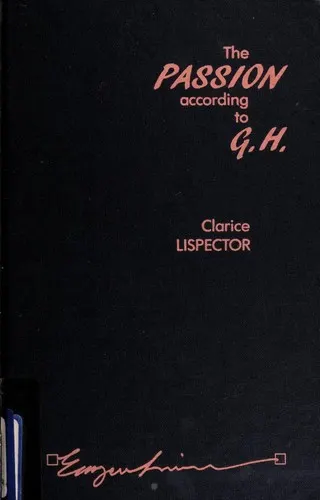
A wealthy woman enters her former maid’s nearly empty room, encounters a cockroach and begins to lose every comforting distinction between self and world, human and animal, beauty and disgust. From that brutally simple situation, Lispector creates one of literature’s most intense voyages into consciousness.
This is Solenoid’s fascination with insects, bodily revulsion and spiritual escape compressed to white heat. Lispector’s sentences do not decorate an idea; they enact a mind dismantling itself in real time. Revered as her defining novel and a landmark of twentieth-century modernism, The Passion According to G.H. is short enough to read in an afternoon and unsettling enough to occupy years.
Enter the Casa de Ejercicios Espirituales, a decaying institution crowded with old women, discarded objects, rumors and the muttering presence of Mudito, its elusive caretaker. Donoso makes the building feel alive: rooms proliferate, voices infect one another, and bodies become unstable containers for fear and fantasy.
Where Solenoid expands an autobiographical consciousness into a monstrous universe, Donoso creates a whole cosmology from enclosure, deformity and shame. The prose is feverish but meticulously controlled; the horror comes not from shocks but from never knowing where one identity ends and another begins. Long regarded as Donoso’s masterpiece and one of the darkest achievements of the Latin American Boom, it offers the rare experience of a novel that seems less written than dreamed by an entire haunted house.