Author
Books like Michel Tournier
3 books we recommend to Michel Tournier readers, drawn from The Erl-King — each with the reason why.
If you loved The Erl-King
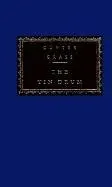
Oskar Matzerath, narrating from a psychiatric institution, claims he chose at three years old to stop growing. Like Tiffauges, he is a grotesque, magnetic witness whose distorted consciousness seems uncannily fitted to the distorted age around him.
Grass turns objects, bodies, appetites, and childish rituals into emblems of historical guilt without reducing them to tidy allegory. The result is comic, repellent, exuberant, and morally unstable: a reader must keep deciding whether Oskar exposes the world or merely invents a mythology that excuses him. The novel that established Grass as a central postwar writer remains one of the rare classics able to match The Erl-King’s fusion of intimate monstrosity and national catastrophe.
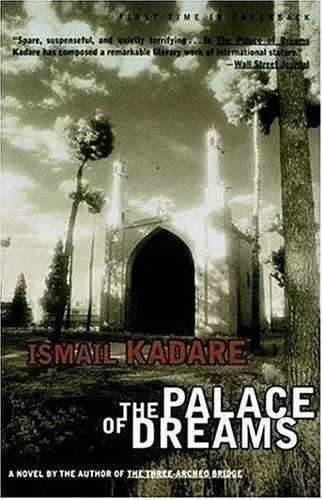
In Kadare’s Ottoman Empire, officials collect and interpret the dreams of every subject, searching for visions that might threaten the state. Young Mark-Alem enters this bureaucracy and discovers a place where metaphor has become an instrument of government.
A lover of Tournier’s ominous signs and reversals will recognize the peculiar dread: everything may possess a second meaning, and interpretation itself becomes predatory. Kadare’s spare, lucid prose makes the impossible institution feel administratively ordinary, which only deepens its nightmare logic. Banned in Albania soon after publication, this is among the novels that made Kadare—later the inaugural International Booker laureate—such an essential chronicler of power’s ability to colonize myth, memory, and the imagination.
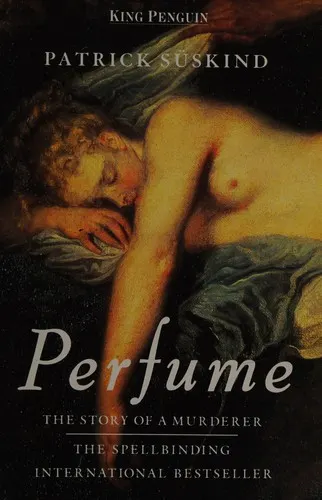
Jean-Baptiste Grenouille is born with no personal scent and an almost supernatural sense of smell. Süskind renders his sensory world with such precision that odors acquire weight, architecture, and moral force; eighteenth-century France becomes an atmosphere the reader can practically inhale.
The deeper kinship with The Erl-King lies in Süskind’s dangerous narrative seduction. Grenouille is monstrous, yet his obsession is described with the concentration of an artist’s vocation, drawing the reader into complicity before revulsion can restore a safe distance. Rational craftsmanship slowly assumes the inevitability of myth and fairy tale. Few literary bestsellers have been this dark, formally controlled, or sensuously convincing; skipping it would mean missing one of modern fiction’s most accomplished portraits of appetite transformed into destiny.