Author
Books like Michael Gilbert
3 books we recommend to Michael Gilbert readers, drawn from Smallbone Deceased — each with the reason why.
If you loved Smallbone Deceased

Like Gilbert, Hare knew the law from within, and he turns professional procedure into both comedy and suspense. An irascible High Court judge travels the wartime circuit while anonymous threats and unnerving mishaps accumulate around him. The details of chambers, assizes, barristers, and judicial vanity never feel like research laid over a plot: they generate the plot.
Hare’s wit is quieter and more rueful than Gilbert’s, but admirers of Smallbone Deceased will recognize the exact character judgments, lucid clueing, and pleasure of watching a self-contained institution betray its secrets. Often regarded as the classic legal detective novel, Tragedy at Law also has an emotional gravity that its urbane opening scarcely advertises.
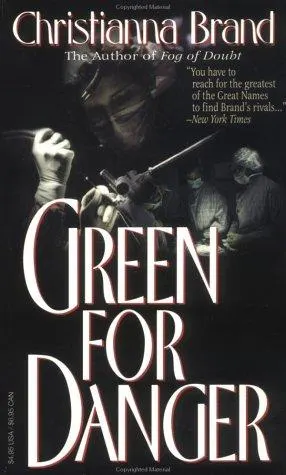
If Smallbone Deceased delighted you chiefly as a beautifully engineered fair-play mystery, Green for Danger is indispensable. At a wartime country hospital, seven people are present when an apparently routine operation ends in death; Inspector Cockrill must determine whether a murderer is hiding among an exhausted, emotionally entangled medical staff.
Brand makes every gesture, rivalry, and scrap of professional routine potentially significant, yet the book never stiffens into a diagram. Cockrill is funny, fallible, and sharply observant, while the suspects remain vivid human beings under pressure. The solution is audacious but scrupulously prepared—one reason the novel retains such devotion among connoisseurs of Golden Age detection.
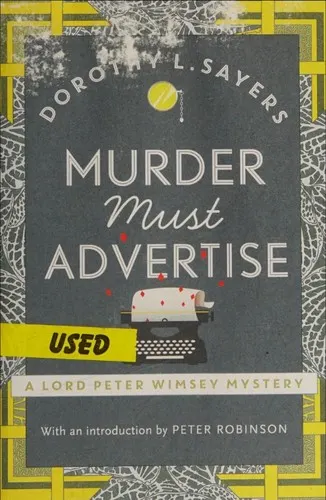
Sayers offers the same delicious spectacle of a murder inquiry infiltrating a highly specialized workplace. Lord Peter Wimsey enters an advertising agency after a copywriter’s fatal fall, encountering office factions, private slang, fragile hierarchies, and colleagues whose eccentricities may conceal more than harmless absurdity.
What makes it a true companion to Gilbert is not merely the office setting but the authority with which work itself becomes characterization. Sayers had been an advertising copywriter, and her account of slogans, client whims, and corporate gamesmanship is wickedly exact. The novel is more expansive and flamboyant than Smallbone Deceased, but it shares its conviction that the surest route to a crime is through the peculiar culture of the institution surrounding it.