Author
Books like Matt Haig
6 books we recommend to Matt Haig readers, drawn from The Midnight Library and How to Stop Time — each with the reason why.
If you loved The Midnight Library
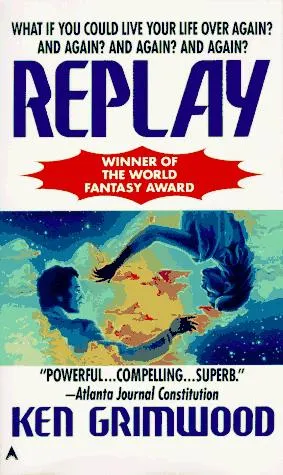
Jeff Winston dies at forty-three and wakes in his eighteen-year-old body, retaining every memory of the life he has already lived. At first, this seems like the ultimate opportunity to correct mistakes and engineer happiness. Grimwood steadily transforms that fantasy into a searching question: if you knew what was coming, could you actually make a perfect life—or would meaning still depend on uncertainty?
Winner of the World Fantasy Award and now a beloved cult classic, Replay has the irresistible momentum of a great speculative premise but earns its reputation through emotional depth. Like The Midnight Library, it understands that second chances cannot spare us from loss; they can only teach us what deserves our attention.
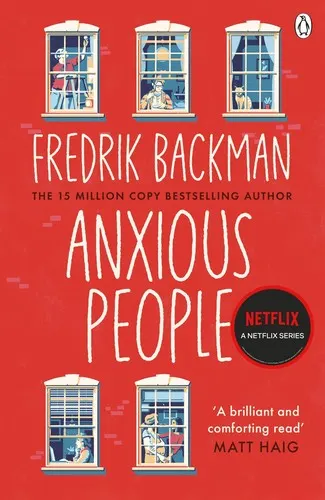
A spectacularly inept bank robber stumbles into an apartment viewing and accidentally takes its quarrelsome visitors hostage. What follows is part comedy of errors, part mystery, and gradually a compassionate portrait of people barely holding themselves together.
Backman writes with Haig’s rare ability to move from absurdity to anguish without making either feel false. Every irritating character becomes understandable once the novel reveals the fear, grief, or loneliness beneath the performance. An international bestseller cherished for its warmth, Anxious People offers the same essential comfort as The Midnight Library: a life can look disastrous from the inside and still contain unnoticed love, connection, and reasons to stay.
One morning, every adult receives a box containing a string whose length reveals how long that person will live. Erlick follows several people as they decide whether to look, how to treat those who do, and whether foreknowledge makes life more meaningful or merely more frightening.
This bestselling book-club favorite takes a fantastical device and uses it to illuminate recognizably human dilemmas: whom to love, what risks to accept, and whether a life’s value can ever be measured from the outside. Where The Midnight Library explores the tyranny of imagined alternatives, The Measure examines the tyranny of imagined certainty. Its intertwined stories ultimately make a stirring case for choosing one another even when no choice can abolish mortality.
If you loved How to Stop Time
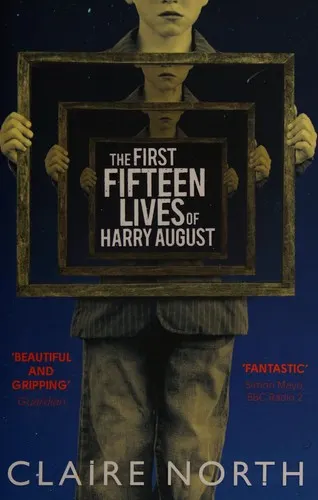
Harry repeatedly returns to the beginning of his life with his memories intact. Claire North turns that premise into both a gripping intellectual puzzle and a moving portrait of accumulated loneliness: knowledge becomes isolating, history loses its novelty, and companionship grows unimaginably precious.
Like Matt Haig, North keeps large philosophical questions tethered to a vulnerable human consciousness. Her novel is cooler and more intricate than How to Stop Time, with the momentum of a thriller, but it shares its fascination with memory as both gift and burden. Winner of the John W. Campbell Memorial Award, it is one of the rare time-bending novels whose emotional logic is as satisfying as its ingenious machinery.
A novelist on a remote Canadian island finds a Japanese teenager’s diary washed ashore and becomes absorbed in the life recorded there. From that simple opening, Ruth Ozeki builds a luminous meditation on time, grief, history and the strange intimacy that can exist between people separated by distance and circumstance.
This Booker-shortlisted novel has the humane curiosity that makes How to Stop Time so affecting: philosophical ideas never eclipse the lonely people who need them. Ozeki can move from adolescent wit to profound sorrow without surrendering warmth, and her playful treatment of time gradually makes reading itself feel like an act of rescue. It is expansive, compassionate and difficult to forget.
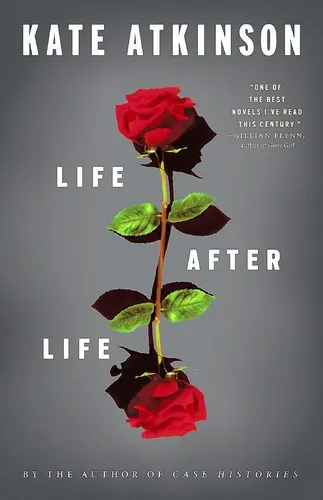
Ursula Todd is born in 1910—and then, in different versions of her story, lives again. Kate Atkinson uses repetition not as a gimmick but as an emotional instrument: tiny choices acquire enormous weight, happiness remains fragile, and twentieth-century history becomes something felt in kitchens, bedrooms and frightened bodies rather than merely recorded in textbooks.
Readers who loved Tom Hazard’s long view of history will recognize the tension between private desire and public catastrophe, but Atkinson offers a more formally daring experience. Scenes return altered, possibilities gather around one another, and ordinary domestic moments become unbearably precious. Winner of the Costa Novel Award, Life After Life is rightly celebrated as a novel that makes experimentation feel intimate—and makes a single human life seem both accidental and miraculous.