Author
Books like Mary Gentle
3 books we recommend to Mary Gentle readers, drawn from Ash: A Secret History — each with the reason why.
If you loved Ash: A Secret History
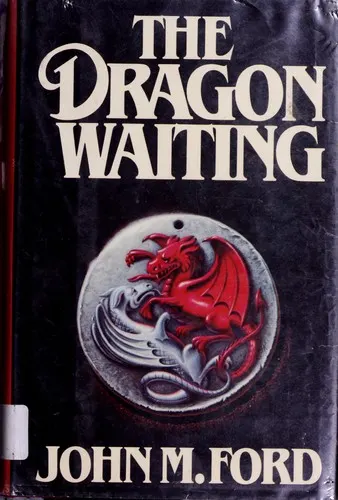
Ford’s World Fantasy Award winner is one of the rare alternate histories as demanding and alive as Gentle’s. Its Renaissance Europe is shaped by altered religion, surviving empires, sorcery and vampirism—but these are political facts, not decorative novelties. Physicians, mercenaries and schemers must understand the machinery of power before it crushes them.
Ford writes with exhilarating compression: motives remain partly hidden, history exerts pressure from beyond the page, and the reader must reconstruct events rather than receive a lecture. Like Ash, it rewards alertness and makes the fantastic seem inseparable from the ruthless contingency of real history. Its admirers treasure it precisely because almost nothing else has Ford’s combination of erudition, danger and confidence.
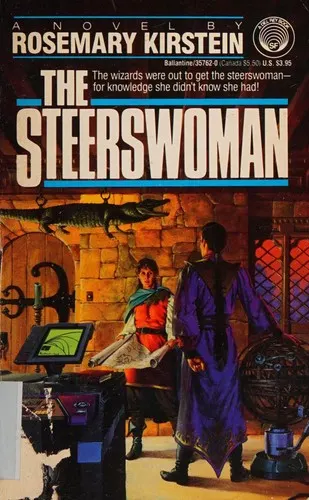
Rowan belongs to an order whose members travel, observe and exchange truthful answers. When she begins investigating some peculiar blue jewels, her chief weapons are disciplined curiosity and a refusal to treat accepted explanations as sacred. Her companion Bel supplies a contrasting, equally formidable practical intelligence.
What connects Kirstein to Gentle is not simply a capable woman in a dangerous world; it is the thrill of watching reason work. Every custom, tool and apparent marvel can become evidence. The landscape initially offers the pleasures of fantasy, then grows stranger under sustained examination. Long kept alive by an intensely devoted readership, The Steerswoman is a cult classic of rational adventure—and Rowan is the kind of protagonist Ash’s readers tend to adopt for life.
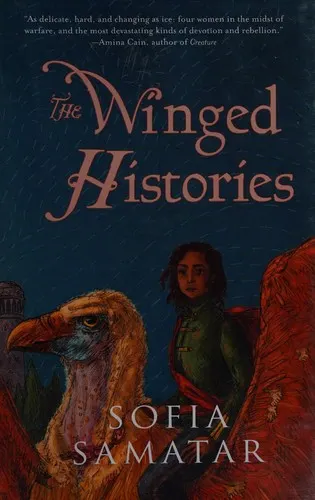
Samatar tells the history of an imperial rebellion through four women: a soldier, a scholar, a poet and a socialite. Their accounts overlap without settling neatly into an official version, exposing what chronicles erase—the body’s experience of war, the seductions of ideology, private loyalties and the people turned into symbols by someone else’s narrative.
Where Gentle uses editorial correspondence and documentary play to destabilize history, Samatar makes the competing voices themselves the archive. Her prose is more lyrical, but it has steel beneath it: battles possess weight, empires possess language, and language can wound or liberate. The Winged Histories offers the rare pleasure of a fantasy novel that is simultaneously an intimate story of women and a profound argument about who gets to manufacture the past.