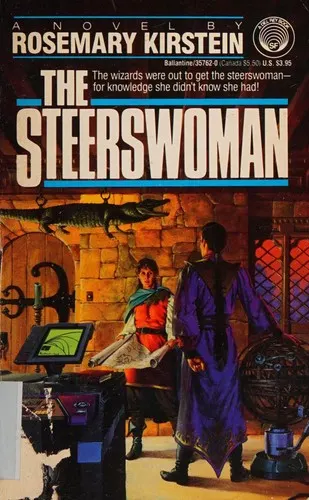
Books like The Steerswoman
The reader who falls hardest for The Steerswoman values curiosity as a moral discipline: careful observation, intellectual honesty, hard-won competence, and the exhilaration of watching scattered facts become a new understanding of the world.
If you liked The Steerswoman, you’ll love these
Not lookalikes — kindred books. Each one shares something essential with The Steerswoman, and we tell you exactly what.
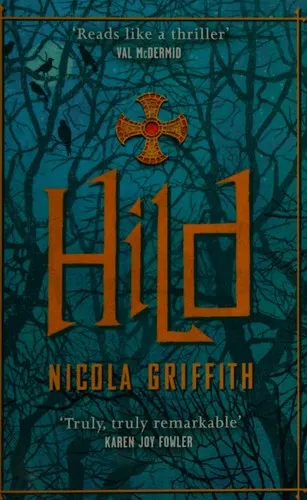
Hild is a child whose extraordinary attentiveness— to birds, weather, harvests, roads, and human motives—looks like prophecy to those around her. Like Rowan, she survives by distinguishing what she knows from what she merely suspects, then reasoning further than anyone else.
Griffith makes thought intensely physical: intelligence grows from muddy fields, overheard conversations, remembered patterns, and the patient study of cause and effect. The result is an acclaimed historical novel that feels more revelatory than much fantasy. If Rowan’s greatest appeal is that her mind itself becomes an instrument of discovery, Hild is indispensable.

Few novels match The Steerswoman’s respect for the difficulty of truly knowing something. Bren Cameron is the sole human diplomat among the atevi, a people whose language can be translated more easily than their fundamental social instincts. Every conversation therefore becomes a demanding act of inference: What does this word commit him to? Which assumption is dangerously human? What pattern has he failed to see?
Cherryh turns diplomacy, linguistics, and self-correction into gripping suspense. Bren’s competence never makes him infallible; it makes him scrupulous about revising his conclusions. Foreigner launched one of science fiction’s most enduring long-form series, sustained by readers devoted to precisely this depth of cultural reasoning. Anyone who loved Kirstein’s insistence that understanding must be earned will find Cherryh almost uniquely satisfying.
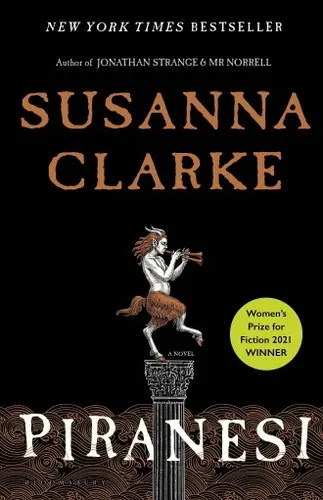
Piranesi records the immense House he inhabits with methodical devotion: its halls, statues, tides, birds, and rare visitors. His journals impose order without diminishing wonder, and gradually the reader begins noticing implications that he cannot yet see. The pleasure is profoundly Steerswoman-like—you are not merely told about a mystery but invited to reason from evidence alongside an honest, observant mind.
Yet this is also a luminous novel about trust, solitude, and the ethical difference between knowledge and possession. Clarke’s strange, compact masterpiece won the Women’s Prize for Fiction and inspired unusually fierce affection in its readers. Its final achievement is rare: explanation deepens the enchantment rather than dispelling it.