Author
Books like Marquis de Sade
3 books we recommend to Marquis de Sade readers, drawn from The 120 Days of Sodom — each with the reason why.
If you loved The 120 Days of Sodom
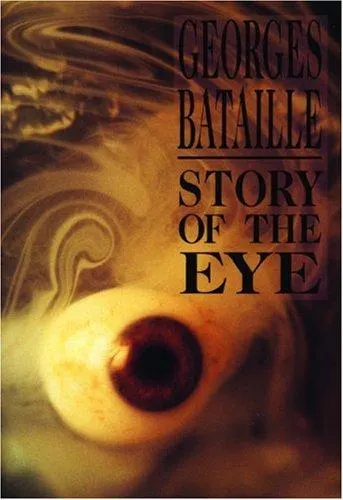
Bataille compresses the philosophical obscenity of Sade into a short, feverishly poetic novel. A teenage narrator and Simone begin inventing erotic games, while a handful of ordinary objects acquire increasingly charged meanings. Where Sade classifies desire through exhaustive enumeration, Bataille constructs a chain of visual and symbolic transformations.
This foundational work of transgressive fiction is not merely scandalous: its strange precision has inspired major critical writing, including Roland Barthes’s celebrated essay on its imagery. It offers the rare experience of obscenity becoming a rigorous aesthetic system—and does so with an intensity few longer novels can sustain.
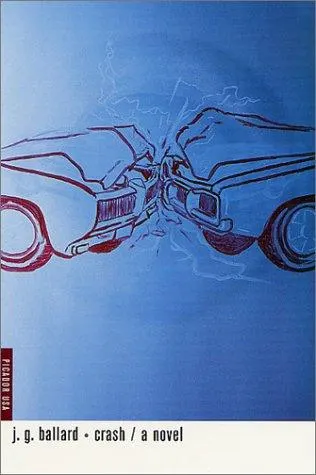
The deepest connection is Ballard’s cold, taxonomic imagination. His narrator enters a subculture in which automobiles, celebrity, bodily injury, and sexual fixation form a new erotic vocabulary. Ballard describes obsession in clinical, repetitive prose, testing permutations as impersonally as Sade’s libertines arrange their victims and lectures.
One of Ballard’s most notorious and influential novels, Crash refuses both conventional arousal and conventional condemnation. Its disturbing power comes from watching technological modernity manufacture desires for which ordinary morality has no language. The result is a perfectly controlled conceptual machine: repellent, hypnotic, and impossible to mistake for anyone else’s work.
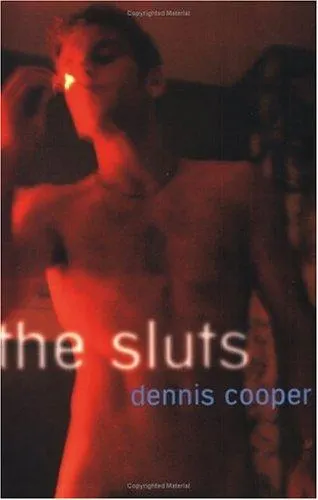
Presented through posts on an online escort-review forum, The Sluts turns testimony, rumor, rating, and fantasy into instruments of domination. Readers attempt to determine what is happening to a young escort named Brad, but every account may be advertising, role-play, malice, or fabrication. Cruelty exists not only in the reported acts but in the community’s appetite for ever more extreme versions of them.
Cooper updates Sade’s enclosed château into a marketplace made entirely of language. The fragmented structure implicates you as judge, voyeur, and consumer, while its escalating contradictions make certainty itself feel dangerous. Winner of France’s Prix Sade and a cult landmark of American transgressive fiction, it is formally daring enough to remain unsettling long after its explicit material has faded.