Author
Books like Mark Twain
5 books we recommend to Mark Twain readers, drawn from Adventures of Huckleberry Finn and The Adventures of Tom Sawyer — each with the reason why.
If you loved Adventures of Huckleberry Finn
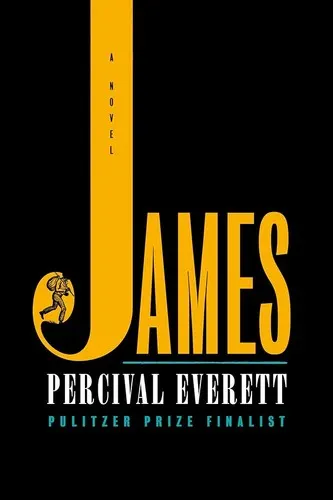
Everett enters Twain’s novel through Jim, beginning with a brilliant conceit: enslaved people speak in polished English among themselves and perform white people’s idea of dialect when watched. Jim immediately becomes not Huck’s silent moral test but an intellectual, frightened, darkly funny man controlling what others are permitted to hear.
Like Twain, Everett makes comedy expose the obscenity of an accepted social order; unlike Twain, he gives Jim full command of the argument. Winner of both the National Book Award and the Pulitzer Prize, James is that rare rewriting that enlarges the original permanently. After reading it, returning to Huck Finn becomes a richer and more troubling experience.
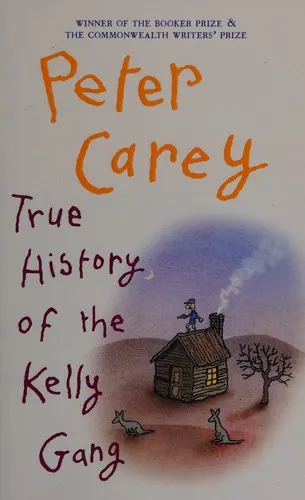
Ned Kelly tells his own story in a headlong, barely punctuated rush, addressing the daughter he has never known. His grammar seems to have been invented under pressure: intimate, boastful, wounded and furiously alive. As with Huck, a voice dismissed as ignorant becomes the novel’s deepest source of intelligence.
Carey also understands how an outlaw can be both morally alert and dangerously self-deceiving. The result is not a tidy legend but a struggle over who gets to describe justice—and whose language counts as truth. This Booker Prize winner is one of the great modern feats of vernacular narration: after a few pages, Ned’s voice feels less written than overheard through a wall.
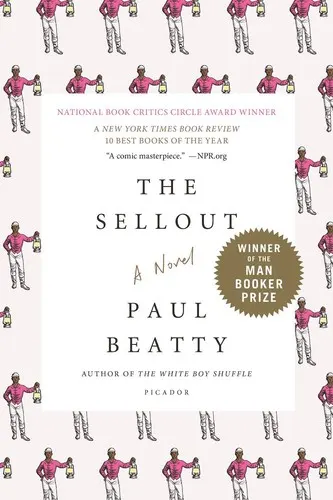
The Sellout opens with its Black narrator before the Supreme Court, calmly smoking marijuana while facing charges so outrageous that the country itself seems to be on trial. Beatty’s jokes arrive at terrifying speed, but they work as Twain’s best jokes do: each absurdity strips another layer of euphemism from American racism and civic self-regard.
Where Huck’s plain speech punctures the solemn lies of adults, Beatty uses manic erudition, deadpan confession and comic escalation. The novel became the first American winner of the Booker Prize, yet its real distinction is its refusal to become respectable even while making an exacting moral argument. It is ferocious, uncomfortable and astonishingly funny—the sort of satire that leaves ordinary public language sounding fraudulent afterward.
If you loved The Adventures of Tom Sawyer
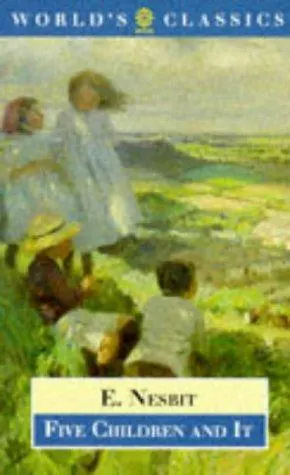
Five siblings discover a cantankerous sand-fairy whose daily wishes last only until sunset. Their desires—wealth, beauty, excitement—are interpreted with disastrous literalness, and each marvelous possibility soon becomes a logistical nightmare.
Nesbit shares Twain’s refusal to make children sweet little symbols of innocence. Her children quarrel, boast, improvise, conceal evidence, and scramble out of trouble with entirely believable selfishness and loyalty. Her dry, conspiratorial narrator also treats adult rules with the same amused suspicion Twain brings to Sunday school and respectable society. This enormously influential classic helped establish the modern children’s fantasy: generations of magical adventures owe it a debt, but few equal its comic intelligence.
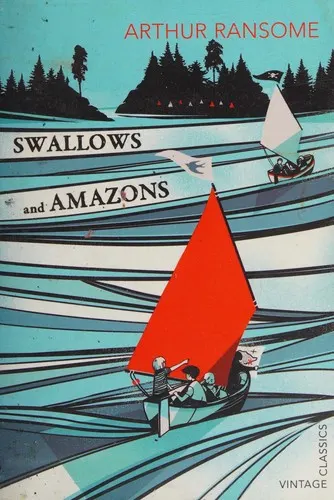
Four children camping on an island turn a lake into a complete imaginative world of ships, rival crews, secret signals, treaties, and contested territory. Ransome’s special triumph is that he never patronizes the game by calling it merely pretend: the children’s invented world and their real tests of courage and competence become inseparable.
Where Tom Sawyer understands adventure as both performance and freedom, Ransome understands the intoxicating seriousness of being trusted to conduct one yourself. The humor is gentler, but the independence, shifting alliances, and exact social codes of childhood will feel instantly familiar. Its devoted readership sustained an entire series, and the first book still makes ordinary summer freedom seem like a lost country one urgently wants to revisit.