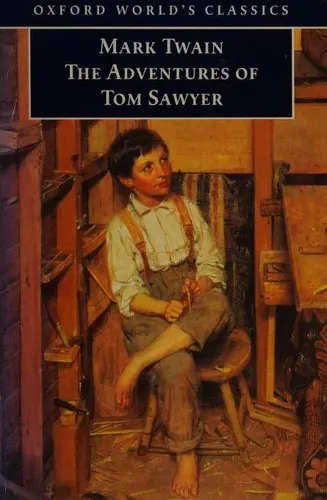
Books like The Adventures of Tom Sawyer
A fence becomes a stage, an island a kingdom, and a summer afternoon a chance to slip free of the adult world: these novels preserve that exhilarating childhood power to make life larger, funnier, and more dangerous than grown-ups realize.
If you liked The Adventures of Tom Sawyer, you’ll love these
Not lookalikes — kindred books. Each one shares something essential with The Adventures of Tom Sawyer, and we tell you exactly what.
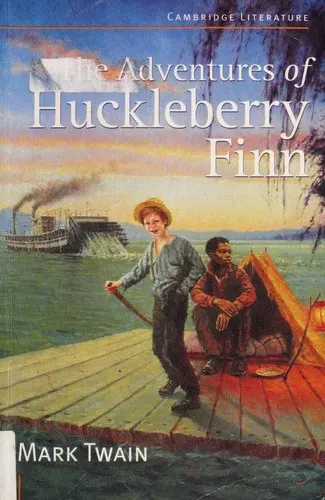
Twain begins with Huck chafing against clean clothes, manners, and compulsory respectability, then gives Tom Sawyer’s world a rougher, deeper moral reach. Huck’s wonderfully unpolished voice exposes adult hypocrisy almost by accident; his practical observations are funny precisely because he cannot see how devastating they are.
Often called Twain’s masterpiece and foundational to American fiction, it retains the mischief, vernacular brilliance, and hunger for freedom that animate Tom Sawyer while asking what those qualities are worth when play gives way to conscience. Loving Tom and not following Huck would mean stopping just as Twain’s comedy becomes something extraordinary.
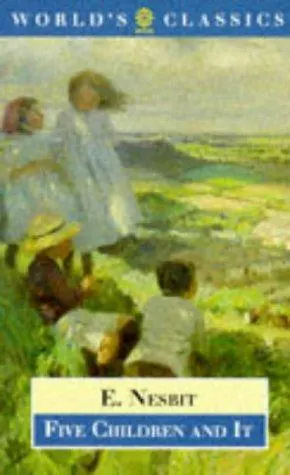
Five siblings discover a cantankerous sand-fairy whose daily wishes last only until sunset. Their desires—wealth, beauty, excitement—are interpreted with disastrous literalness, and each marvelous possibility soon becomes a logistical nightmare.
Nesbit shares Twain’s refusal to make children sweet little symbols of innocence. Her children quarrel, boast, improvise, conceal evidence, and scramble out of trouble with entirely believable selfishness and loyalty. Her dry, conspiratorial narrator also treats adult rules with the same amused suspicion Twain brings to Sunday school and respectable society. This enormously influential classic helped establish the modern children’s fantasy: generations of magical adventures owe it a debt, but few equal its comic intelligence.
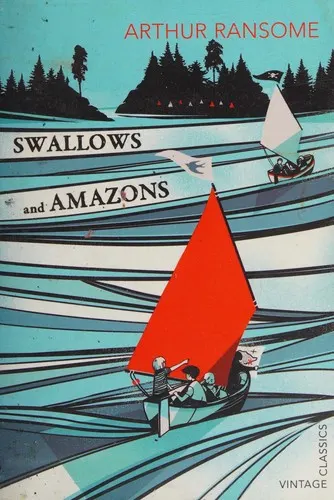
Four children camping on an island turn a lake into a complete imaginative world of ships, rival crews, secret signals, treaties, and contested territory. Ransome’s special triumph is that he never patronizes the game by calling it merely pretend: the children’s invented world and their real tests of courage and competence become inseparable.
Where Tom Sawyer understands adventure as both performance and freedom, Ransome understands the intoxicating seriousness of being trusted to conduct one yourself. The humor is gentler, but the independence, shifting alliances, and exact social codes of childhood will feel instantly familiar. Its devoted readership sustained an entire series, and the first book still makes ordinary summer freedom seem like a lost country one urgently wants to revisit.