Author
Books like Lorrie Moore
3 books we recommend to Lorrie Moore readers, drawn from Who Will Run the Frog Hospital? — each with the reason why.
If you loved Who Will Run the Frog Hospital?
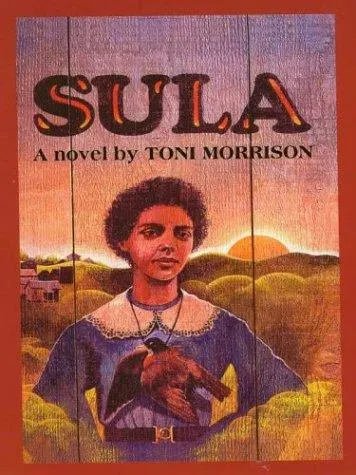
Nel and Sula’s girlhood friendship has the force of a first love and the volatility of a private religion. Morrison, like Moore, understands that intimacy can contain loyalty, envy, cruelty, and self-invention all at once—and that remembering a friend may really mean confronting the person you became beside her.
This compact early masterpiece by the Nobel laureate moves with astonishing freedom between comedy, folklore, catastrophe, and moral ambiguity. It never reduces either woman to victim or villain. If Frog Hospital made you feel that friendship can be the central romance of a life, Sula is indispensable.
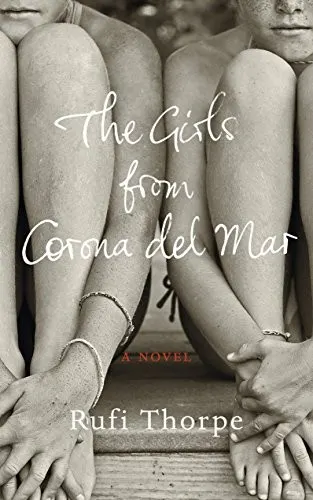
Mia tells the story of her friendship with Lorrie Ann in a voice that is dazzlingly intelligent, very funny, and not remotely trustworthy about its own motives. Her judgments keep turning into confessions; admiration shades into rivalry; concern can conceal the desire to feel superior. That unstable moral pressure is precisely what gives the novel its bite.
Thorpe writes friendship not as mutual uplift but as a lifelong argument about luck, character, and who gets to narrate whom. The sentences crackle, yet the comedy never protects you from the pain. It is the rare contemporary novel that matches Moore’s combination of verbal playfulness and emotional self-indictment.
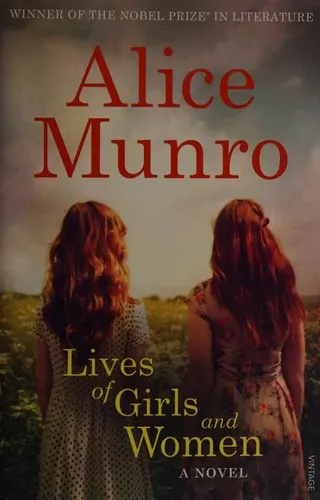
In Jubilee, Ontario, Del Jordan watches adults with the ruthless curiosity of a girl beginning to understand sex, class, humiliation, and ambition. Munro catches the absurd theater of ordinary life—eccentric relatives, social pretensions, dangerous silences—without sacrificing its mystery.
Published as a novel but built in linked episodes, the book has the same miraculous spaciousness as Moore’s short, fractured narrative: years vanish between pages, while one gesture can remain luminous forever. Munro’s Nobel-winning reputation rests partly on this command of memory’s strange proportions. Del’s awakening into authorship makes the book especially rewarding for anyone who loved Moore’s sense that survival depends on finding the form in which experience can be told.