Author
Books like Kiran Desai
3 books we recommend to Kiran Desai readers, drawn from The Inheritance of Loss — each with the reason why.
If you loved The Inheritance of Loss
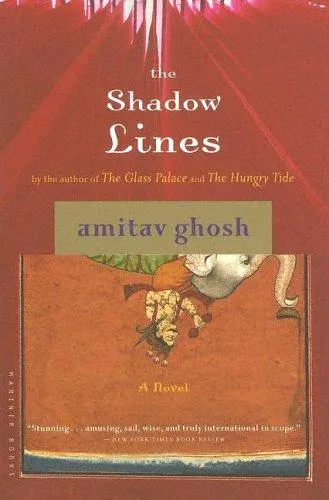
Like Desai, Ghosh understands that borders are not merely lines on maps: they enter the imagination, determining who belongs, who escapes, and whose memories count. An unnamed narrator reconstructs his family’s entanglements across Calcutta, Dhaka, and London, discovering how private longing becomes inseparable from public history.
This is a quieter novel than The Inheritance of Loss, but its emotional architecture is just as intricate. Ghosh moves through time with extraordinary grace, letting remembered rooms and half-understood stories acquire devastating force. Winner of the Sahitya Akademi Award and now regarded as a defining modern Indian novel, The Shadow Lines leaves behind a permanently altered sense of home, distance, and nationhood.
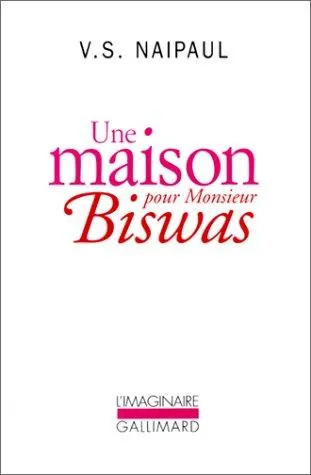
If you loved Desai’s ability to make human vanity both ridiculous and heartbreaking, meet Mohun Biswas. Born into poverty in colonial Trinidad and absorbed by marriage into the overpowering Tulsi household, he fastens his hopes of independence onto one stubborn desire: a house of his own.
Naipaul turns that modest ambition into a vast tragicomic struggle for dignity. Mr Biswas is prickly, theatrical, selfish, vulnerable, and unforgettable—the kind of flawed character Desai treats so well. The novel’s comedy never cancels its sorrow; it reveals how desperately people perform importance when history and class have denied them control. Often considered Naipaul’s masterpiece, it makes one ordinary life feel inexhaustibly consequential.

White Teeth offers the exhilarating comic counterpart to Desai’s bleaker vision of migration. Beginning with Archie Jones at a moment of spectacular defeat, it expands into the lives of two London families carrying tangled inheritances of empire, religion, race, aspiration, and parental disappointment.
Smith shares Desai’s delight in collisions between grand historical forces and embarrassingly specific human desires. Her characters want to reinvent themselves, yet discover that the past has followed them into kitchens, schools, marriages, and arguments over their children. The novel won major debut prizes and became an immediate touchstone of multicultural British fiction, but its lasting appeal is its abundance: it is intellectually sharp, wildly funny, and crowded with people whose contradictions make them fiercely alive.