Author
Books like Keri Hulme
3 books we recommend to Keri Hulme readers, drawn from The Bone People — each with the reason why.
If you loved The Bone People
If The Bone People made landscape feel sentient and ancestral time feel present, Carpentaria will seem like an astonishing enlargement of that achievement. In the Gulf town of Desperance, Wright sets Indigenous families, local feuds, spirits, memory, and industrial power moving within a narrative that behaves like the country itself: ancient, unpredictable, comic, and immense.
Wright shares Hulme’s refusal to translate an Indigenous worldview into tidy realism for outsiders. Her long, tidal sentences can shift from satire to mythic grandeur without warning, while damaged people remain stubbornly capable of loyalty and wonder. Winner of the Miles Franklin Award and now widely regarded as a major Australian novel, Carpentaria is difficult in the rewarding sense: once you learn its currents, most conventional fiction feels oddly landlocked.
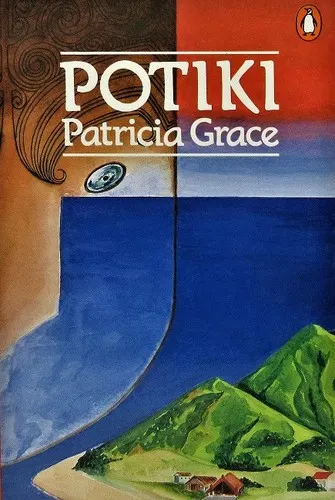
Potiki is the necessary companion to The Bone People: another landmark Māori novel, but one that answers Hulme’s isolated, volatile household with the strength of a wider community. Grace’s coastal whānau understand their meeting house, stories, dead, children, and land as parts of one living continuity—something outside developers cannot comprehend when they begin circling the area.
The novel’s many voices and looping sense of time make its form inseparable from its values. Grace is gentler than Hulme, yet never sentimental; she writes children, disability, grief, and resistance with lucid spiritual authority. Potiki won the New Zealand Book Award for Fiction and has become a touchstone of Māori literature. Its brevity is deceptive: it leaves behind an entire moral world.
Read this for the experience of language carrying pain before the mind can organize it. McBride’s narrator grows up amid religion, family damage, and her fierce attachment to an ill brother; the sentences arrive broken, breathless, and startlingly exact, giving access not merely to what she thinks but to how consciousness is formed under pressure.
Like Hulme, McBride writes violence without making it simple, tasteful, or safely distant. She also understands that love can be real while entangled with rage, shame, and harm. The style may initially feel forbidding, but it quickly develops its own pulse—and the emotional immediacy becomes overwhelming. After years of rejection, the novel won both the inaugural Goldsmiths Prize and the Baileys Women’s Prize. It earned that devotion: few books make fractured prose feel so necessary.