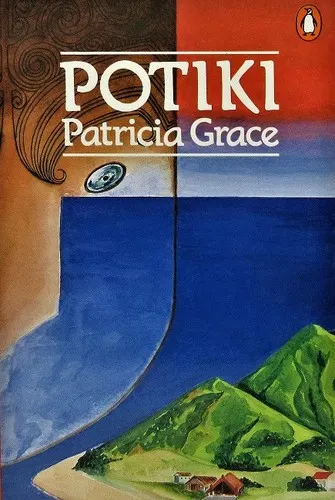
Books like Potiki
Readers who cherish Potiki tend to want fiction in which land is a living presence, community matters more than solitary heroism, and inherited stories can become instruments of survival and resistance. These three novels share that moral and imaginative force while possessing wholly different voices.
If you liked Potiki, you’ll love these
Not lookalikes — kindred books. Each one shares something essential with Potiki, and we tell you exactly what.
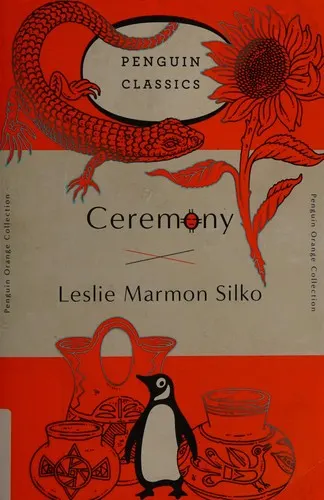
Like Potiki, Ceremony refuses to separate personal suffering from injuries done to land, culture, and collective memory. Tayo, a Laguna Pueblo veteran returning from the Second World War, cannot be healed by a society that misunderstands what has made him ill. Silko instead interweaves his story with poems and traditional narratives, letting older forms of knowledge reshape the novel itself.
The kinship lies especially in that form: storytelling is not decoration but an active means of restoration. First published in 1977, Ceremony has become a landmark of Native American literature because its political anger, spiritual depth, and formal daring remain inseparable. Anyone moved by Potiki’s faith in stories as repositories of communal power should regard it as essential.
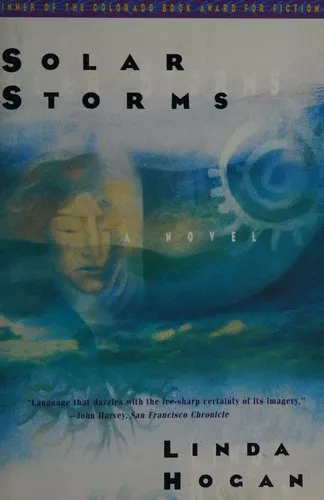
Solar Storms begins with seventeen-year-old Angel returning to the northern homeland from which she was removed, carrying scars and only fragments of her family history. Among several generations of Indigenous women, she slowly enters a world of relationships—with relatives, animals, water, weather, and memory—that the dominant culture has trained her not to perceive.
Hogan’s lyrical prose makes ecological destruction feel intimate rather than abstract. When a hydroelectric project threatens the region, resistance grows from kinship and responsibility, not from slogan or spectacle. The novel offers the same exhilarating recognition found in Potiki: a community dismissed as powerless may possess a deeper account of what land is and what people owe it. Its fierce tenderness has earned it lasting devotion among readers of Indigenous and environmental fiction.

Carpentaria is the boldest choice here: a vast, unruly, darkly comic epic set around the Aboriginal town of Desperance in northern Australia. Wright’s narrator moves effortlessly between ancestral time, family quarrels, political conflict, gossip, catastrophe, and the movements of sea and weather. The result is not merely a story about a place; it feels like a place speaking in many registers at once.
A reader who loved Potiki’s collective voice and its refusal of imported ideas about ownership will recognize the underlying challenge, but Wright magnifies it into something baroque and thunderous. Winner of Australia’s Miles Franklin Award, Carpentaria is admired for expanding what the English-language novel can contain. It demands attention, then rewards it with a world so alive that more conventional realism can seem diminished afterward.