Author
Books like Karin Boye
3 books we recommend to Karin Boye readers, drawn from Kallocain — each with the reason why.
If you loved Kallocain
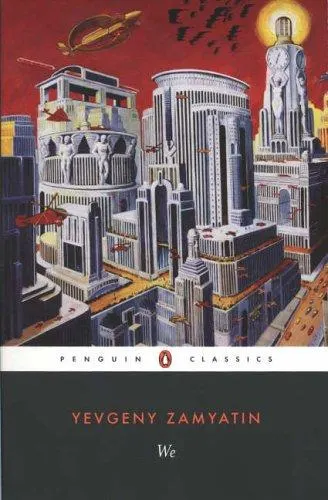
Like Leo Kall, Zamyatin’s D-503 speaks from inside the system: loyal, analytical, and initially unable to imagine that his orderly world might be a prison. The fascination lies in watching his own language betray him as desire and doubt disrupt the official logic he has absorbed.
Written in the early 1920s and banned in the Soviet Union, We became one of the foundational modern dystopias, influencing Orwell and generations after him. Yet it remains stranger and more feverishly inventive than many descendants: mathematical certainty collides with erotic obsession, dreams, and an emerging sense of the soul. If Kallocain thrilled you by turning ideological awakening into intimate confession, We is indispensable.
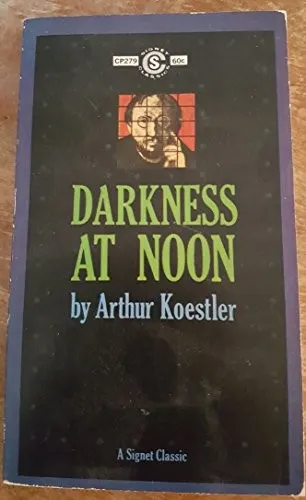
Kallocain understands that totalitarianism’s most terrible achievement is not surveillance but the conversion of conscience into an instrument of the state. Darkness at Noon enters that process with extraordinary precision. Its imprisoned revolutionary, Rubashov, has spent his life sacrificing individuals to historical necessity; now the same reasoning is being methodically turned against him.
Koestler’s landmark novel is built from interrogation, memory, and argument, but it has the pressure of a thriller. Every conversation becomes a struggle over whether truth belongs to lived human beings or to an ideology claiming ownership of the future. Few novels expose the seductions of self-betrayal so lucidly—or make the faint persistence of personal moral feeling seem so consequential.
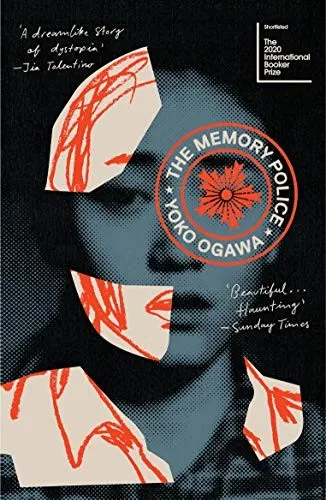
Ogawa offers a quieter, more dreamlike route into Kallocain’s deepest concern: what remains human when authority reaches inside private experience. On an unnamed island, objects periodically disappear, and the inhabitants are expected to lose their memories of them as well. A novelist continues working while the Memory Police enforce each new absence.
Shortlisted for the International Booker Prize in Stephen Snyder’s English translation, The Memory Police has earned unusually devoted readers because its calm beauty makes its menace almost tactile. Drawers, rooms, ordinary possessions, and small acts of shelter acquire immense emotional weight. Where Kallocain uses a truth drug to expose forbidden inward life, Ogawa shows memory itself becoming contraband. Its tenderness is inseparable from its terror.