Author
Books like John Nichols
3 books we recommend to John Nichols readers, drawn from The Milagro Beanfield War — each with the reason why.
If you loved The Milagro Beanfield War
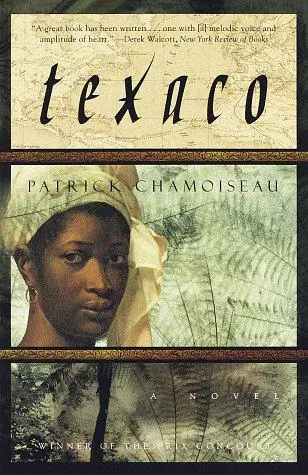
Like Milagro, Texaco asks who has the right to call a place home—and what stories, loyalties, and acts of defiance can withstand the tidy plans of official power. Marie-Sophie Laborieux recounts the history of a Martinican shantytown threatened by urban planners, speaking for generations whose lives rarely enter authorized histories.
Winner of France’s Prix Goncourt, the novel is exuberantly polyphonic: folklore, memory, comedy, brutality, and political argument jostle together without losing the human beings at their center. Readers who loved Nichols’s ability to make one embattled community feel like an entire world will find Chamoiseau’s achievement even more sweeping and intoxicating.
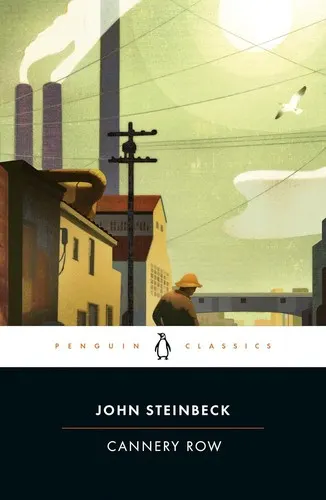
Steinbeck’s Monterey waterfront is populated by people whom respectable society dismisses: idlers, hustlers, sex workers, shopkeepers, and the marine biologist Doc. Yet the novel sees them with the same comic generosity Nichols extends to Milagro’s quarrelsome villagers. Petty schemes become communal rituals; failure can reveal more grace than success.
Short, lucid, and deceptively loose, Cannery Row moves among its characters until the neighborhood itself becomes the protagonist. Few novels are so funny about human foolishness while remaining so alert to loneliness and dignity. Its enduring devotion comes from that rare warmth without sentimentality—the sense that imperfect people, gathered in the right place, can make a life worth defending.
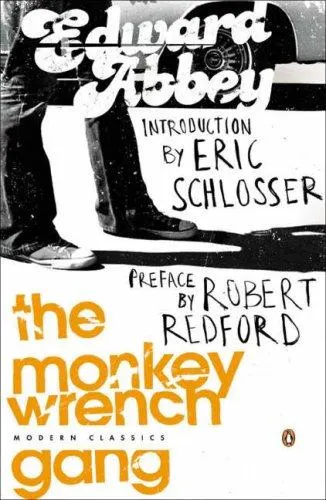
For readers who thrilled when Milagro’s resistance became audacious, unruly, and funny, Abbey offers the next escalation. Four magnificently incompatible rebels decide that speeches and petitions are not enough to protect the American Southwest from roads, mines, dams, and industrial development. Their campaign is improvised, illegal, frequently absurd, and propelled by Abbey’s blistering comic energy.
The novel became a countercultural classic and helped give environmental sabotage its enduring nickname: “monkeywrenching.” But its real kinship with Nichols lies beneath the notoriety. Both books turn anger at ecological destruction into antic storytelling, distrust polished authority, and understand that resistance is conducted by flawed people rather than plaster saints. It remains dangerous, hilarious, and hard to forget.