Author
Books like John Masefield
5 books we recommend to John Masefield readers, drawn from The Box of Delights and The Midnight Folk — each with the reason why.
If you loved The Box of Delights
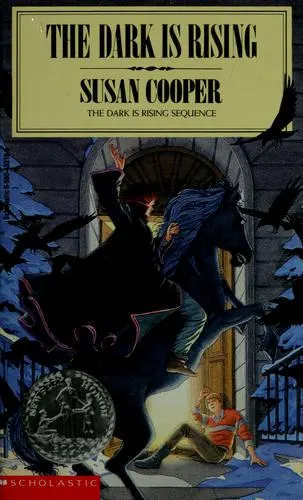
Susan Cooper understands, as Masefield did, that midwinter can feel like a threshold rather than a season. On his eleventh birthday, Will Stanton begins to perceive ancient powers beneath the familiar lanes, farms and households around him. Snow, music, firelight and gathering darkness acquire an almost sacramental intensity.
A Newbery Honor book and the defining volume of Cooper’s celebrated sequence, it matches Masefield’s ability to make cosmic conflict intimate. Its evil is chilling because it presses against domestic warmth; its magic feels discovered, not invented. If the grave, numinous passages of The Box of Delights stayed with you longest, The Dark Is Rising is essential.
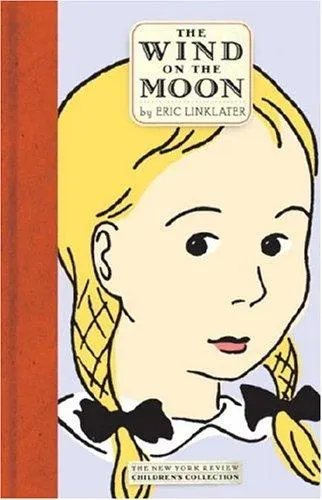
For the wilder, funnier side of Masefield, choose Eric Linklater’s Carnegie Medal–winning fantasy. When an ill-tempered wind blows, sisters Dinah and Dorinda find good behaviour increasingly difficult, and the world around them becomes gloriously unstable. Linklater treats transformations, pompous adults and escalating absurdity with a straight face that makes everything funnier.
Yet the book has backbone: beneath its exuberance lie courage, loyalty and a sharp hatred of tyranny. Like The Box of Delights, it can move from cosy comedy to danger without losing its buoyancy. Its devotees cherish precisely that unruly amplitude—the sense that a children’s novel may contain jokes, terror, tenderness and marvels without tidying any of them away.
If you loved The Midnight Folk
Tolly arrives at his great-grandmother’s ancient, flood-surrounded house and gradually senses that its former children are still near. As in The Midnight Folk, a house is not merely a setting but a living treasury: animals, objects, weather and family history all seem to possess secret intentions.
Boston’s Carnegie Medal winner is quieter than Masefield’s adventure, but it has the same confidence that children can accept marvels without laborious explanations. Its wintry rooms and half-heard presences create an atmosphere at once homely, eerie and profoundly consoling. Few books make the past feel so companionable—or enchant an old house so completely.
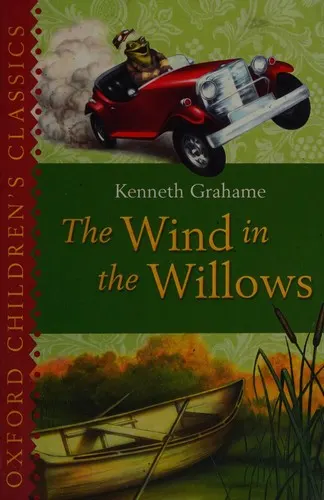
Read it not simply for the talking animals, but for Grahame’s extraordinary changes of key. Farce gives way to danger; a snug meal can be followed by moonlit awe; the riverbank’s domestic pleasures exist beside a wilderness older and stranger than its inhabitants. That same tonal freedom gives The Midnight Folk much of its magic.
Grahame’s prose is sensuous, rhythmical and intensely alert to food, weather, darkness and shelter. Its most famous adventures are delightful, but its numinous, nocturnal passages explain why generations of readers have treated it as more than a charming animal story. To miss them is to miss some of the loveliest enchantment in English fiction.
In the respectable town of Lud-in-the-Mist, Fairyland is officially dismissed and its influence sternly suppressed—an arrangement that immediately begins to look fragile. Mirrlees understands, as Masefield does, that magic is most potent when it slips past ordinary rules through songs, rumors, food and dreams rather than arriving as a tidy system.
This is the adult, autumnal choice: witty about civic respectability, unsettling about desire, and written in prose that can turn from comic precision to visionary beauty in a sentence. Long a cult classic and championed by writers including Neil Gaiman, it offers the same exhilarating suspicion that daylight reality is only a local custom.