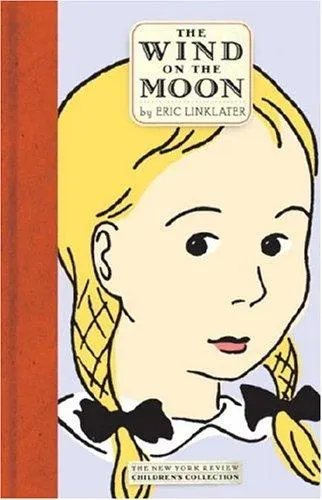
Books like The Wind on the Moon
The Magic Pudding matches Linklater’s exuberant mischief; The Thirteen Clocks answers his sharper delight in language, absurdity, and theatrical villainy. The Midnight Folk offers the nocturnal wonder beneath both—the sense that children and animals know entrances to a larger, stranger world.
If you liked The Wind on the Moon, you’ll love these
Not lookalikes — kindred books. Each one shares something essential with The Wind on the Moon, and we tell you exactly what.
This Australian classic has the same glorious refusal to behave. Its heroes possess a pudding that replenishes itself whenever eaten—and that loudly objects to being eaten—while thieves, arguments, songs, insults, and preposterous legal proceedings keep derailing the journey.
Like The Wind on the Moon, it understands that nonsense is funniest when pursued with absolute seriousness. Lindsay’s animals are not cuddly accessories but vain, quarrelsome personalities, and his verse and drawings turn bad manners into high art. More than a century after publication, it remains fiercely loved in Australia because its comic energy has not gone stale. Readers who relish Dinah and Dorinda at their most unruly should not miss one of children’s literature’s great monuments to cheerful insubordination.
In a cold castle where all thirteen clocks have stopped, a wicked Duke guards his niece while discouraging suitors by setting them impossible tasks. That fairy-tale machinery is only the beginning: Thurber makes every sentence gleam with jokes, menace, verbal patterns, and unexpected tenderness.
A lover of Linklater will recognize the peculiar balance—tyranny that feels genuinely frightening, comedy that never becomes merely cute, and goodness that is ingenious rather than solemn. The Duke is among the great grotesque villains, while the mysterious Golux embodies Thurber’s gift for making wisdom sound like inspired foolishness. This compact, cultishly adored book is so quotable that many readers carry its phrases for life; it would be a shame to remain outside their conspiracy.
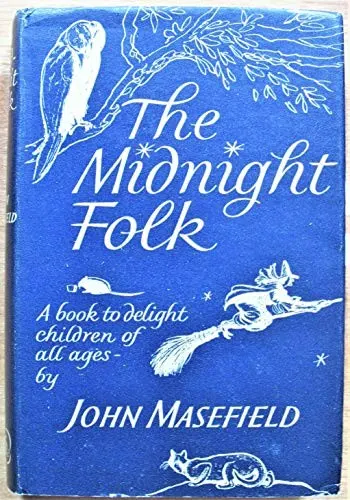
Young Kay Harker lives among stern guardians, half-heard family stories, and the mystery of a treasure lost by his seafaring great-grandfather. At night, ordinary domestic boundaries dissolve: cats confer, hidden allies emerge, and the house becomes a gateway to adventure.
Masefield shares Linklater’s confidence that a child’s imaginative world can contain real danger, moral consequence, slapstick, and beauty all at once. His animals have loyalties and private histories; his magic arrives with the intimate conviction of a remembered dream. First published in 1927, the novel has inspired devoted readers for generations and led to the better-known The Box of Delights, but its own freer, stranger enchantment is irreplaceable. Anyone who loved the moonlit transformations and brave absurdities of The Wind on the Moon may find that Kay’s midnight world feels less like a new discovery than a secret place they had forgotten.