Author
Books like John Lanchester
3 books we recommend to John Lanchester readers, drawn from The Debt to Pleasure — each with the reason why.
If you loved The Debt to Pleasure
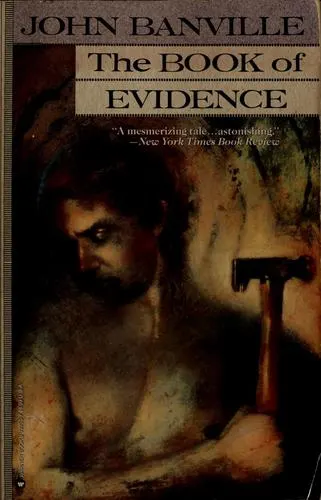
Freddie Montgomery, an artful, vain man recounting the circumstances of a crime, shares Tarquin’s unnerving ability to make moral ugliness sound like aesthetic refinement. His intelligence does not excuse him; it makes his evasions more seductive and his self-portrait more damning.
Shortlisted for the Booker Prize, Banville’s novel is celebrated for prose of almost indecent beauty. Like Lanchester, he makes the reader enjoy sentences spoken by someone who should repel us—and then forces us to examine that enjoyment. If Tarquin’s cultivated wickedness held you captive, Freddie’s voice is essential company.
A 999-line poem by the fictional John Shade arrives surrounded by the commentary of Charles Kinbote, an editor whose notes steadily appropriate the entire book. The comedy lies in Kinbote’s magnificent inability to understand himself: pedantry, grievance, fantasy, and vanity keep bursting through the scholarly apparatus.
This is one of the great novels of unreliable narration and a clear ancestor to Lanchester’s games with form and voice. Its clues invite rereading, but its real pleasure is immediate—the sensation of watching exquisite language betray the person using it. Few books make interpretation feel so much like complicity.
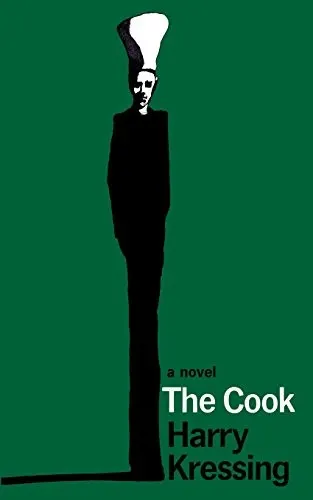
Conrad, a mysterious cook, enters the austere household of two wealthy families and begins transforming their lives through meals of uncanny perfection. Kressing understands that appetite is never merely appetite: taste can become hierarchy, dependence, humiliation, and control.
First published in 1965 and later revived as a cult classic, this compact, singular novel has the poise of a fable and the creeping pressure of a nightmare. Its food writing is sensuous without being comforting, and its menace grows from precision rather than spectacle. Anyone who loved the way Lanchester makes gastronomy disclose character—and then turns connoisseurship sinister—should not miss it.