Author
Books like Joan Slonczewski
3 books we recommend to Joan Slonczewski readers, drawn from A Door into Ocean — each with the reason why.
If you loved A Door into Ocean
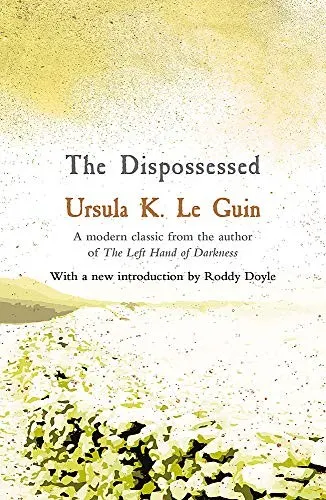
Le Guin offers the same exhilarating sense that an entire society has been reasoned through from first principles. Her anarchist moon is neither a facile utopia nor a disguised dystopia: mutual aid has produced genuine freedom, yet habit, scarcity, and informal authority still constrain its people.
Like Slonczewski, Le Guin makes politics intimate. A physicist’s divided loyalties illuminate questions A Door into Ocean asks with equal seriousness: Can an egalitarian culture resist domination without reproducing it? What does a society owe the dissenter? Winner of both the Hugo and Nebula awards, this is one of science fiction’s essential political novels because its ideas live in work, friendship, sex, jealousy, and sacrifice—not in slogans.
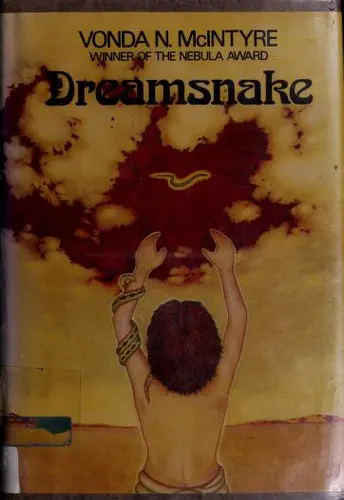
If Sharer healing and Slonczewski’s vision of knowledge rooted in living bodies captivated you, meet Snake, a traveling healer whose genetically altered serpents are her medical instruments. After a disastrous encounter deprives her of one, she crosses a harsh, fragmented world seeking a replacement.
McIntyre makes healing heroic without making it sentimental. Snake’s authority comes from patience, observation, and consent; every community forces her to negotiate between expertise and local fear. The landscape is spare, but the cultures and biological imagination feel wonderfully dense. Dreamsnake achieved the rare Hugo–Nebula–Locus sweep, and its enduring appeal lies in its quietly radical conviction that care, practiced with courage, is a form of power.
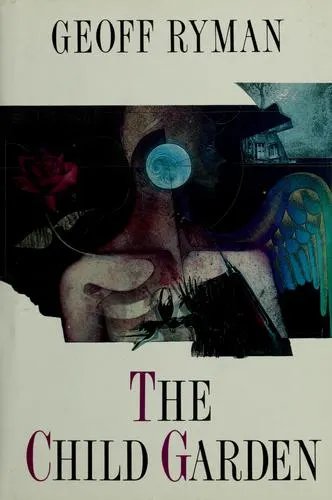
Ryman’s extraordinary novel is for the reader who loved how A Door into Ocean turns biological connection into both a gift and a political danger. In a future London, viruses transmit knowledge and shape social conformity. Milena, resistant to that system, remains awkwardly outside the collective world until she encounters an equally singular artist.
What follows begins as an eccentric queer love story and expands into an argument about enforced happiness, art, mortality, and the right to remain difficult. Ryman’s biotech is intimate rather than gadget-driven: it enters memory, education, desire, and identity. Winner of both the Arthur C. Clarke and John W. Campbell Memorial awards, The Child Garden is stranger and more emotionally unruly than most canonical science fiction—and its final effect is unforgettable.