Author
Books like Jennifer Nasubuga Makumbi
3 books we recommend to Jennifer Nasubuga Makumbi readers, drawn from Kintu — each with the reason why.
If you loved Kintu
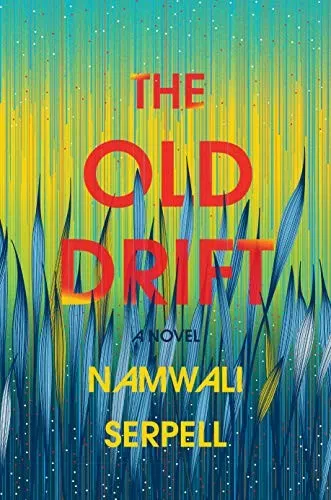
Serpell gives Zambia the same kind of audacious, many-voiced national epic Makumbi gives Uganda. Three families become entangled across generations, but the novel’s real exhilaration lies in how freely it moves among folklore, political history, intimate disaster, science, and speculative invention. Its narrators even include a mischievous mosquito chorus.
Winner of the Arthur C. Clarke Award, this is a rare saga whose formal daring matches its scale. Like Kintu, it treats inherited misfortune seriously without reducing it to either superstition or metaphor, and it refuses to separate modern technology from older ways of understanding fate. The result is unruly, funny, intellectually alive—and one of the few novels that can follow Kintu without feeling smaller.
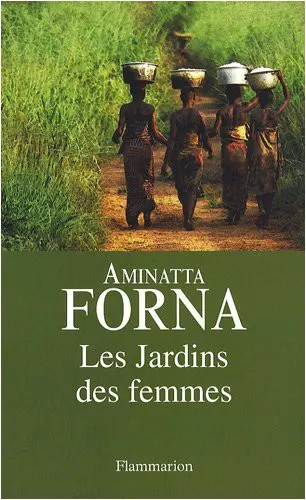
Four Sierra Leonean women tell the history of a large family through memories that overlap, contradict, and illuminate one another. Forna builds not a tidy genealogy but an argument about who gets remembered, what women preserve, and how family stories survive political upheaval.
A lover of Kintu will recognize the pleasure of entering a household so extensive that kinship becomes its own geography. Yet Ancestor Stones has a different, mesmerizing rhythm: intimate, elliptical, and shaped by the cadences of oral testimony. Its women are not symbolic ancestors but shrewd, desiring, difficult individuals. The novel’s reputation rests on precisely this power—to make history feel less like a procession of events than a living inheritance carried in voices.
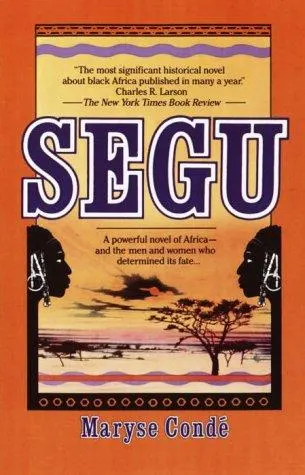
At the end of the eighteenth century, the household of Dousika Traoré stands near the center of the Bambara kingdom of Segu. Then his sons begin moving outward into a world being transformed by war, commerce, slavery, and rival faiths. Condé turns their divergence into a magnificent examination of lineage under pressure.
What links Segu most deeply to Kintu is its refusal to romanticize either tradition or change. Belief is politically potent and emotionally real; families offer identity while also inflicting wounds; history arrives through appetites, grudges, marriages, and betrayals. Condé, later honored with the New Academy Prize in Literature, writes with commanding intelligence and a sharp eye for hypocrisy. Segu is a foundational modern historical epic—vast enough to inhabit, severe enough to haunt you.