Author
Books like Jeff Lindsay
3 books we recommend to Jeff Lindsay readers, drawn from Darkly Dreaming Dexter — each with the reason why.
If you loved Darkly Dreaming Dexter
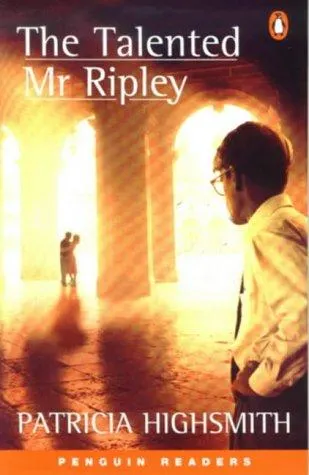
Tom Ripley lacks Dexter’s code, but he possesses the same unnerving gift for making predation feel like practical problem-solving. Highsmith keeps you perilously close to his calculations as he studies wealth, manners, and identity, then improvises whenever the life he wants threatens to exclude him.
The suspense comes not from pursuing a monster but from sharing his fear of exposure—and perhaps hoping he escapes it. This psychologically exact 1955 novel launched Highsmith’s five-book Ripliad and established one of crime fiction’s most magnetic antiheroes. Anyone fascinated by Dexter’s double life should meet the character who remains a benchmark for charming amorality.
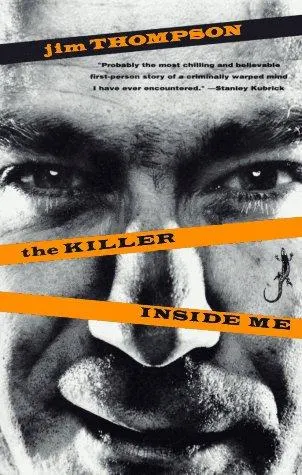
Deputy sheriff Lou Ford presents himself as a slow, harmless small-town dullard. His first-person voice soon reveals that the performance is camouflage, and Thompson makes every bland remark feel newly dangerous. Where Dexter’s wit offers pleasurable distance from his violence, Lou’s folksy composure steadily removes that protection.
This is a lean, savage landmark of American noir, admired for turning criminal psychology into a voice the reader cannot comfortably escape. It offers the intimate calculations, social masking, and warped self-explanation that make Dexter compelling—but stripped of the reassuring code. Reading it is like discovering the darker ancestor behind Lindsay’s invention.
Dorothy Daniels, a food critic recounting her life from prison, narrates with the cultivated appetite, macabre wit, and magnificent vanity of someone determined to control both her story and her audience. Her sentences linger over sex, cuisine, status, and violence with equal relish; the real hook is not what she has done, but how seductively she explains herself.
Like Dexter, Dorothy turns monstrous impulses into a private philosophy and treats normal society as material for jokes. Yet Summers gives that pleasure a distinctive feminist and gastronomic edge. Since its publication, the novel has attracted a devoted readership largely through the force of Dorothy’s voice. Miss it, and you miss one of contemporary fiction’s most deliciously unapologetic monsters.