Author
Books like Jasper Fforde
6 books we recommend to Jasper Fforde readers, drawn from The Eyre Affair and Shades of Grey — each with the reason why.
If you loved The Eyre Affair
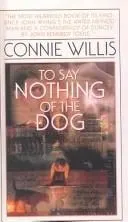
Ned Henry is a time-travelling historian suffering from temporal exhaustion after too many errands for a tyrannical patron. Sent to Victorian England to recuperate, he instead encounters romantic misunderstandings, missing objects, and history’s alarming resistance to correction.
Willis shares Fforde’s gift for turning elaborate rules into comic machinery: every paradox, coincidence, and period detail tightens the farce. The literary references are affectionate rather than ornamental, while the apparent chaos conceals superb plotting. This Hugo Award winner is warmer and more romantic than The Eyre Affair, but just as exhilaratingly clever—the rare novel in which noticing a tiny joke can feel like solving part of the mystery.
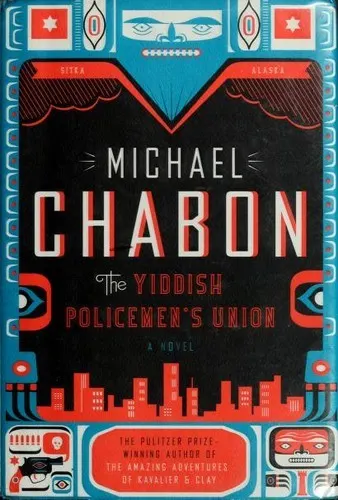
In an alternative present where Jewish refugees settled in Alaska, homicide detective Meyer Landsman finds a murdered man in the shabby hotel where he lives. From that classic noir opening, Chabon builds an entire provisional world—political, linguistic, melancholy, and darkly funny.
What connects it to Fforde is not merely alternate history, but the confidence with which a wild premise becomes ordinary life. Landsman treats geopolitical absurdity with the same weary professionalism Thursday Next brings to literary crime, and Chabon’s sentences crackle with jokes even when the emotional stakes deepen. Winner of the Hugo, Nebula, and Locus awards, it is a dazzling demonstration that genre play can carry genuine grief and moral weight.
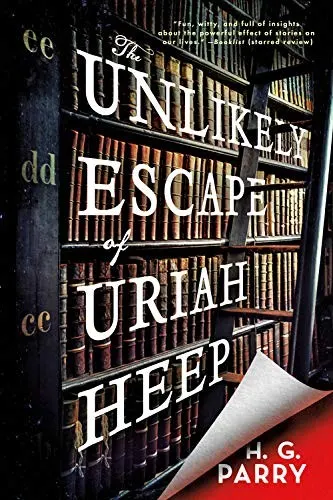
Charley Sutherland can read literary characters out of books. His more conventional brother, Rob, narrates what happens when Charley’s secret talent proves less private—and less controllable—than either of them hoped.
Parry understands the particular thrill The Eyre Affair creates when literature becomes physical: beloved characters can argue, misbehave, and refuse the roles readers assign them. More importantly, she makes interpretation itself consequential. The version of a character who emerges depends on who did the reading, turning disagreements about Dickens, Austen, and the canon into questions of identity and power. Beneath the exuberant conceit is a beautifully observed story about two brothers who love and misunderstand each other. For anyone who wished Fforde’s boundary between books and life could open again, this is difficult to resist.
If you loved Shades of Grey
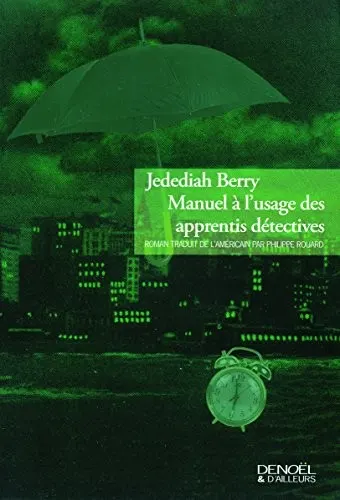
Charles Unwin is a meticulous clerk at a detective agency, content to catalogue another man’s adventures—until his celebrated detective disappears and Unwin is abruptly promoted into the field. From there, office procedure collides with dream logic, impossible crimes, and a city whose institutions seem to operate by rules no one has fully explained.
Like Fforde, Berry makes bureaucracy both hilarious and ominous. Unwin’s faith in filing systems resembles Eddie Russett’s initial faith in Chromatic order: each absurd regulation promises stability while quietly concealing something stranger. Winner of the Dashiell Hammett Prize, this is a wonderfully controlled cult mystery—less antic than Fforde, but equally skilled at making an invented system feel inevitable, ridiculous, and dangerous.
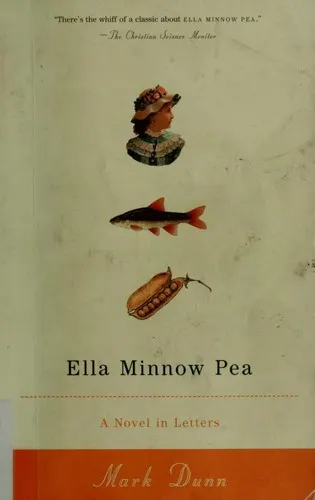
On an island devoted to the author of a famous pangram, letters begin falling from a revered monument. The government interprets each fallen tile as a divine command to ban that letter from speech and writing—and citizens must somehow obey.
The premise is funny; Dunn’s execution makes it exhilarating. Because the novel is composed of letters between islanders, its own vocabulary contracts as the prohibitions accumulate. Language becomes contraband, ingenuity becomes resistance, and petty officialdom acquires real teeth. Readers who delighted in Fforde’s punishable spoons, compulsory queuing, and social rules treated as natural law will recognize the same lethal escalation from silliness to tyranny. Few novels turn a formal game into such an affecting defense of thought, friendship, and disobedience.
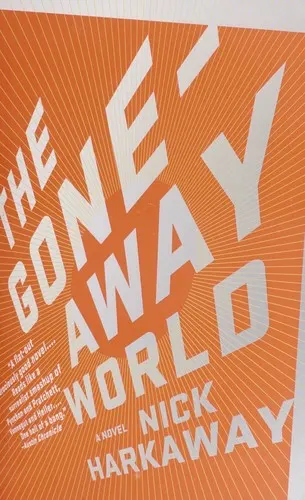
A fire on the enormous Jorgmund Pipe sends a former special-operations crew racing across a damaged world with an outrageously dangerous cargo. That opening barely prepares you for Harkaway’s combination of martial-arts digressions, corporate absurdity, improvised communities, friendship, horror, and philosophical slapstick.
What connects this Arthur C. Clarke Award–shortlisted debut to Shades of Grey is its generosity of invention. Harkaway does not merely construct a bizarre future; he keeps asking what kind of people its institutions produce, and how loyalty and decency survive inside systems built from euphemism and bad logic. The novel is wilder and more maximalist than Fforde, but it has the same rare ability to make you laugh at an absurd world just before revealing the emotional and moral cost of living there.