Author
Books like Janice Galloway
3 books we recommend to Janice Galloway readers, drawn from The Trick Is to Keep Breathing — each with the reason why.
If you loved The Trick Is to Keep Breathing
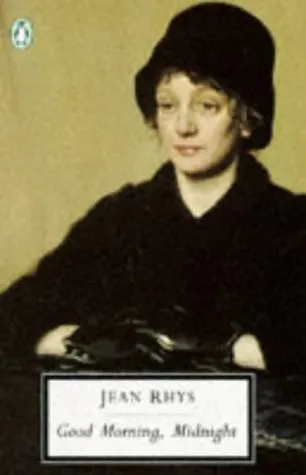
Sasha Jansen, alone in a cheap Paris hotel, organizes her days around clothes, cafés, drink and the avoidance of humiliation. Rhys understands, as Galloway does, how ordinary objects and social rituals can become instruments of self-surveillance—and how a woman in distress is expected to remain decorative and agreeable.
The prose is spare, repetitive and devastatingly funny. Sasha’s rehearsed conversations and sudden inward collapses anticipate Joy’s struggle against the voices telling her how a proper woman should look and behave. Once neglected, this 1939 novel is now recognized as one of Rhys’s defining works. Its apparent slightness conceals astonishing emotional force: few books capture loneliness with such wit or such exact pressure.
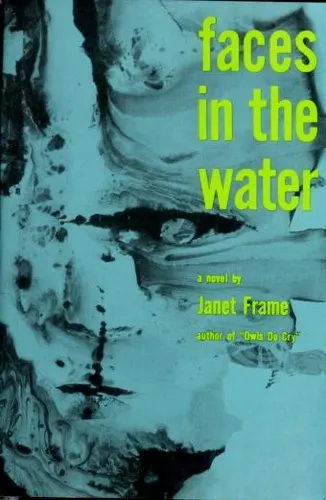
Janet Frame writes the psychiatric institution from inside its bewildering logic. Her narrator, Istina Mavet, encounters wards where language, routine and diagnosis steadily strip patients of authority over their own experience. Yet the novel refuses to reduce them to symptoms; its women remain observant, comic, vain, frightened and irreducibly themselves.
Frame drew on years of institutionalization, and that authority can be felt in every grotesque rule and flicker of unexpected beauty. Like Galloway, she makes black comedy a form of resistance rather than relief. Faces in the Water has become a landmark of New Zealand literature because it restores imaginative life to people official language has flattened. It is fierce, lucid and impossible to patronize.
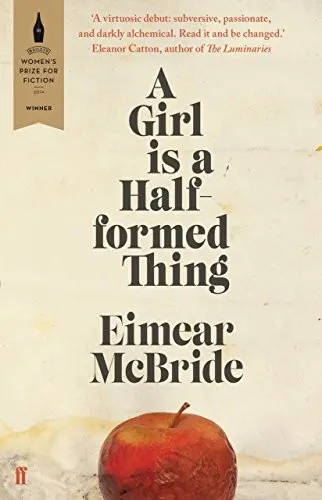
Here the kinship lies deepest in the language. McBride’s sentences arrive fractured, breathless and half-made, beginning before her unnamed narrator’s birth and growing with her consciousness. Grammar does not merely report fear, desire or shame: it buckles under them. A reader who responded to Galloway’s margins, repetitions and typographical disruptions will recognize the same conviction that conventional prose can falsify extreme experience.
McBride’s debut took nine years to find a publisher, then won both the inaugural Goldsmiths Prize and the Baileys Women’s Prize. That unlikely triumph suits a novel so uncompromisingly its own. It is harrowing, but its verbal energy is exhilarating—the rare experimental novel whose difficulty feels not ornamental but necessary. Missing it means missing one of the boldest transformations of inner life into prose in contemporary fiction.