Author
Books like Jane Hamilton
6 books we recommend to Jane Hamilton readers, drawn from A Map of the World and The Book of Ruth — each with the reason why.
If you loved A Map of the World
When a teenage boy is accused of murder, his parents must decide what loyalty means when certainty is impossible. Brown alternates between mother and father, making their clashing instincts—protect, investigate, believe, doubt—equally persuasive.
Like Hamilton, she understands that public accusation changes the private meaning of every memory. The suspense comes less from establishing facts than from watching a marriage confront an unbearable question: must love depend on innocence? Few novels examine parental devotion with such unsparing intelligence.
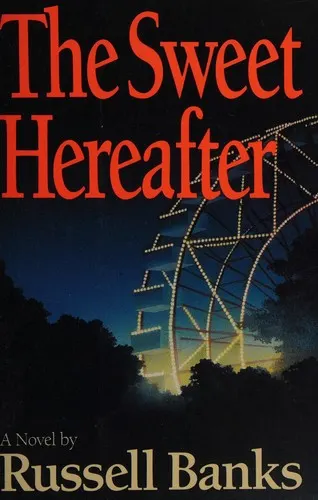
A school-bus accident devastates a small town, and Banks lets several residents tell what follows in voices shaped by grief, self-interest, tenderness, and shame. No single account owns the truth; each speaker reveals both more and less than intended.
Readers who admired Hamilton’s portrayal of a community turning suffering into judgment will recognize the same resistance to easy villains and consoling answers. One of Banks’s defining novels—and the source of Atom Egoyan’s acclaimed film—it transforms communal tragedy into something hauntingly intimate.
Sue Miller’s celebrated debut asks what happens when a woman’s private life is recast by others as evidence that she is an unfit mother. Its power lies in the gap between lived experience and the cold, simplified story that institutions can make from it.
Miller writes desire, motherhood, and self-doubt with the same clear-eyed sympathy that distinguishes A Map of the World. The novel became a bestseller because its dilemma is fiercely discussable, but its lasting force is quieter: it makes every apparently obvious moral judgment feel dangerously incomplete.
If you loved The Book of Ruth
Ellen’s voice has the quality Ruth’s readers cherish: plainspoken, idiosyncratic, occasionally funny, and far more perceptive than the adults around her realize. Trying to secure a livable future amid neglect and cruelty, she reports calamity with a practical composure that makes every flicker of longing hit harder.
Gibbons’s remarkably assured debut won the Sue Kaufman Prize, and its reputation rests on more than its harrowing material. Like Hamilton, she lets syntax, omission, and accidental comedy create a complete consciousness. Ellen does not ask to be admired, which makes her courage almost unbearably moving.
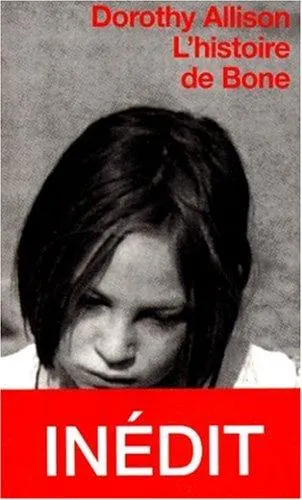
For the fierceness beneath Ruth’s apparent passivity, read Dorothy Allison’s modern classic. Bone Boatwright grows up inside a poor, unruly clan whose loyalties are nourishing, suffocating, and sometimes catastrophically misplaced. Allison refuses the easy moral comfort of turning damaged people into curiosities or monsters; love remains real even when it cannot keep anyone safe.
A National Book Award finalist, the novel is admired for its emotional candor and the authority of Bone’s voice. It is more searing than The Book of Ruth, but similarly unforgettable in its insistence that a life marked by shame can still be narrated with intelligence, anger, humor, and dignity.

Haruf offers the tenderness that glimmers through Hamilton’s bleakness and gives it more room to breathe. In the small town of Holt, Colorado, several solitary people—among them a pregnant teenager, two aging bachelor brothers, and a father struggling to raise his sons—move cautiously toward forms of care they never expected.
The kinship lies in Haruf’s restraint: he understands how much feeling can reside in chores, meals, awkward pauses, and imperfect acts of loyalty. Yet this National Book Award finalist is not merely gentle. Its clean prose exposes loneliness without decorating it, then makes ordinary generosity feel momentous. Few novels are so convincing about damaged people building something that might, with work, become a family.