Author
Books like James Salter
5 books we recommend to James Salter readers, drawn from Light Years and The Hunters — each with the reason why.
If you loved Light Years
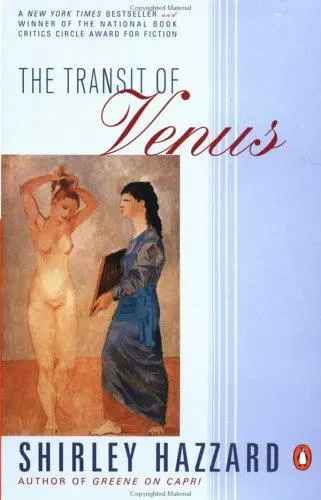
Hazzard’s great novel has Salter’s rare combination of sensual elegance and merciless intelligence. Two Australian sisters arrive in postwar England, entering a cultivated world of love affairs, ambitions, and social distinctions; Hazzard renders it in sentences so compressed and polished that a gesture or conversational pause can disclose an entire moral history.
Like Light Years, it understands beauty as both genuine pleasure and dangerous camouflage. Its leaps across time give early moments a gathering, retrospective force, while its wit keeps the melancholy from becoming soft. Winner of the National Book Critics Circle Award and now regarded as Hazzard’s masterpiece, it is the closest match here to Salter’s grandeur of design—and perhaps the only one with an even more intricate sense of fate.
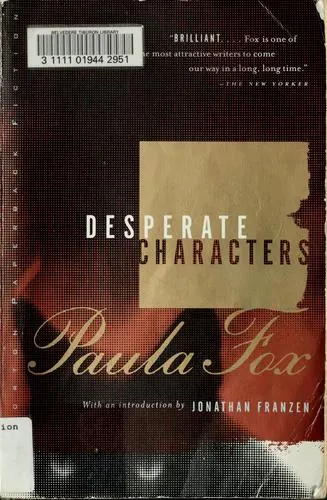
Fox takes the social world Salter surveys across decades and subjects it to the pressure of a single weekend. Sophie and Otto Bentwood live in a beautifully appointed Brooklyn house, their marriage preserved by taste, habit, and mutual restraint. Then a stray cat bites Sophie, and the small wound begins to concentrate anxieties already present in the rooms around her.
The kinship lies not merely in troubled marriage but in the unsparing attention both writers pay to surfaces: food, furniture, neighborhoods, the calibrated cruelty of adult conversation. Fox’s prose is leaner and more abrasive than Salter’s, yet equally alert to the distance between an enviable life and the people enduring it. Long neglected and triumphantly revived by New York Review Books, Desperate Characters has become a touchstone of postwar American fiction. It is brief, immaculate, and impossible to shake.
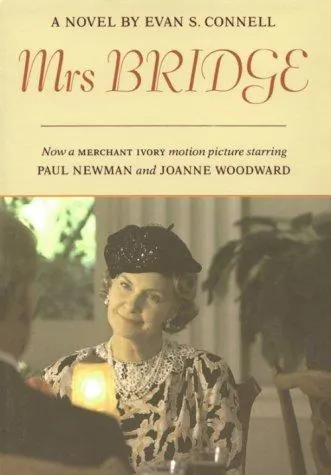
Connell builds a life from tiny episodes: a question at breakfast, an awkward kindness, a purchase made for reasons its purchaser barely understands. Mrs Bridge, an affluent Kansas City wife and mother, is neither satirized nor sentimentalized. Instead, Connell lets the spaces between his short chapters reveal longing, fear, and time’s nearly invisible work.
A reader who loved Salter’s montage—the sense that years vanish between one glittering scene and the next—will recognize the method, though Connell’s tone is drier and his comedy sharper. His heroine’s conventional phrases gradually become unbearably poignant because they are the only language she has for feelings she cannot face. This quietly enduring American classic proves that understatement can be devastating: by saying almost nothing, it seems to contain an entire unlived life.
If you loved The Hunters
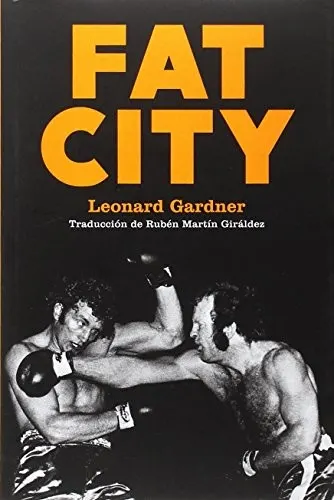
This short, bruising classic follows two boxers in Stockton, California: one aging into disappointment, the other still young enough to mistake possibility for destiny. Gardner understands, as Salter does, that competitors live inside minute comparisons—speed, stamina, nerve—and that self-knowledge rarely arrives in time to be useful.
Gardner’s only novel, later filmed by John Huston and revived as an NYRB Classic, has earned enduring devotion for prose as lean and unsentimental as its fighters. Its shabby gyms and agricultural streets are rendered with startling beauty. Anyone moved by The Hunters’ collision of skill, hope, and indifferent circumstance should not miss it.
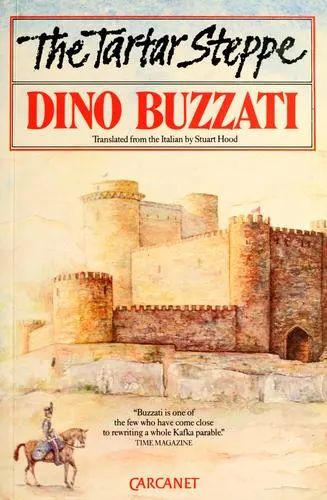
A young officer, Giovanni Drogo, is posted to an isolated fortress and expects to leave quickly. Instead, the possibility of a great enemy attack—and of the distinction it might bring—begins to organize his imagination. Buzzati makes waiting itself suspenseful: every rumor could herald the longed-for test, while military routine quietly consumes what it promises to vindicate.
This Italian classic, deeply admired by Jorge Luis Borges, is the dreamlike counterpart to The Hunters. Where Salter shows pilots competing for the moment that will establish them, Buzzati asks what happens when a whole life is surrendered to such a moment. Its lucid, haunting finality makes it one of the essential novels about ambition’s power to turn time into a trap.