Author
Books like Jacqueline Woodson
3 books we recommend to Jacqueline Woodson readers, drawn from Red at the Bone — each with the reason why.
If you loved Red at the Bone
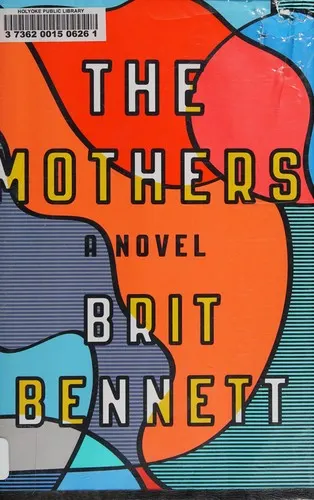
Bennett’s celebrated debut begins with seventeen-year-old Nadia Turner, a secret pregnancy, and a decision that continues to shape three intertwined lives. As in Woodson’s novel, no choice belongs to one person alone: parents, lovers, friends, and a watchful Black church community all become part of its emotional aftermath.
The novel’s most distinctive voice is its communal “we”—the church mothers who observe, speculate, condemn, and sometimes understand. Bennett combines that chorus with close, compassionate portraits of young people discovering that escape and reinvention are never complete. If Red at the Bone moved you by refusing to reduce Iris to either victim or villain, The Mothers offers the same bracing moral generosity.
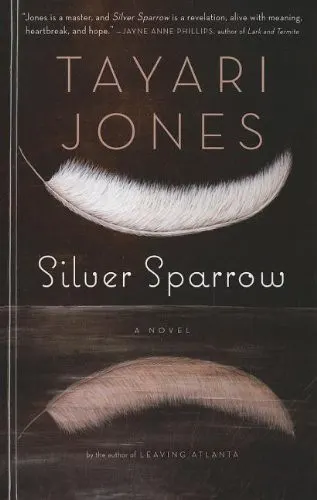
“My father, James Witherspoon, is a bigamist”: Jones announces the family secret immediately, then lets two teenage daughters reveal what it costs. One grows up knowing about her father’s other household; the other does not. Their alternating accounts turn an apparently simple betrayal into a study of unequal love, legitimacy, and the burdens children inherit from adult arrangements.
Like Woodson, Jones is superb at showing how class aspiration, beauty, favoritism, and parental sacrifice enter a girl’s sense of herself. Silver Sparrow has become a particularly cherished novel among Jones’s readers because its structure creates not a puzzle but a devastating expansion of sympathy. Each new perspective changes the moral weight of what came before.
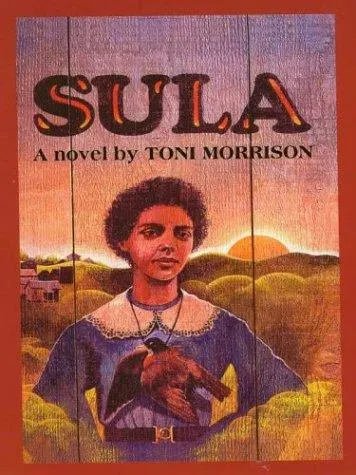
Sula shares Red at the Bone’s compression and astonishing reach: in a short novel, Morrison encompasses decades of Black family life, fierce female self-creation, unconventional motherhood, friendship, sexuality, and communal judgment. Its two central women choose radically different relations to home and duty, yet Morrison never makes either life the easy answer.
The prose is sensuous and exact, while the novel’s leaps through time make private decisions feel both immediate and ancestral. An enduring cornerstone of Morrison’s work, Sula remains unsettling because it asks who gets called selfish, who is permitted freedom, and whether love can survive the roles a community assigns us. Woodson’s piercing brevity has one of its great predecessors here.