Author
Books like Jacqueline Harpman
3 books we recommend to Jacqueline Harpman readers, drawn from I Who Have Never Known Men — each with the reason why.
If you loved I Who Have Never Known Men
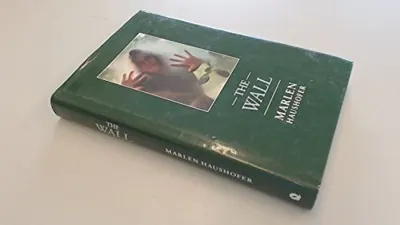
An unnamed woman wakes in an Alpine hunting lodge to find herself cut off from the world by an invisible barrier. What follows is less an apocalypse story than a meticulous reckoning with existence: tending animals, preparing for winter, measuring time, and discovering what remains of a self when society disappears.
Haushofer gives practical labor the same philosophical weight Harpman does. Her heroine’s solitude is frightening, but it also produces an austere freedom from inherited roles. Long cherished as a feminist and ecological cult classic, The Wall has the unnerving clarity of a private document that was never meant to console anyone. For the particular ache left by Harpman’s novel, this is the closest essential companion.
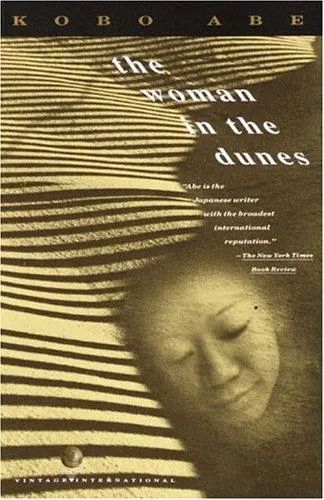
A schoolteacher collecting insects is forced to stay in a house at the bottom of a sand pit, where the inhabitants must shovel constantly to keep the dunes from swallowing them. Abe makes every grain palpable—the heat, thirst, abrasion, exhaustion—while turning captivity into a profound inquiry into habit, resistance, and the strange bargains by which people make a life.
Like Harpman, he begins with an impossible situation and refuses to dilute it with reassuring explanations. Yet this Yomiuri Prize-winning classic has its own feverish, sensuous atmosphere: part nightmare, part philosophical trap, part dark comedy. Its central predicament keeps changing meaning beneath your feet, as unstable as the sand itself.
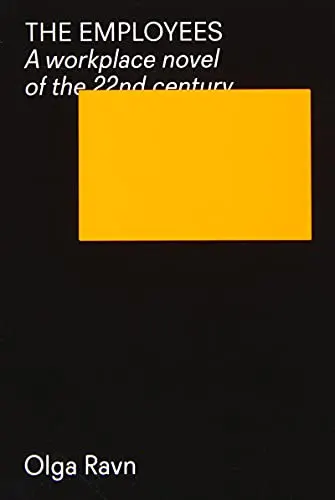
On a spacecraft carrying humans and humanlike workers, a series of employee statements records their reactions to mysterious objects brought aboard. Some remember Earth; some have only manufactured memories. Their brief testimonies gradually make identity, embodiment, work, and longing feel newly strange.
Ravn’s International Booker Prize finalist is radically compressed, with every fragment opening a larger silence around it. Where Harpman asks what a person becomes without human society, Ravn asks who counts as a person at all—and whether desire, grief, or attachment can settle the question. It is a small book with an enormous afterimage, coldly beautiful until it suddenly becomes heartbreaking.