Author
Books like Ishmael Reed
3 books we recommend to Ishmael Reed readers, drawn from Mumbo Jumbo — each with the reason why.
If you loved Mumbo Jumbo
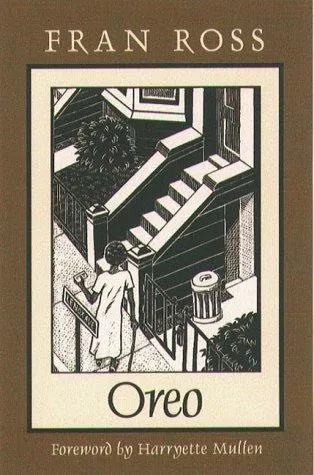
Ross turns a young Black Jewish woman’s search for her father into a profane reinvention of the Theseus myth. The story arrives through jokes, equations, menus, quizzes, diagrams, multilingual puns, and verbal traps—the same kind of collage energy that makes Mumbo Jumbo feel less written than detonated.
First published in 1974 and neglected before becoming a fiercely beloved cult classic, Oreo raids the Western canon instead of politely requesting admission to it. Ross’s heroine is indestructibly clever, and the book’s comedy is so compressed that nearly every sentence conceals another charge. Anyone delighted by Reed’s learned irreverence should consider this essential contraband.
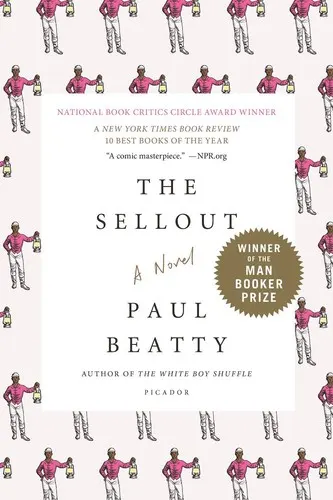
The Sellout opens with its narrator before the Supreme Court, trying to explain how he came to be charged with reinstating slavery and segregation. From there Beatty subjects American racial language—liberal, conservative, academic, commercial, and therapeutic—to a merciless stress test.
Where Reed builds conspiratorial collage, Beatty unleashes the rant as a precision instrument: allusions ricochet, respectable ideas expose their absurd foundations, and jokes keep becoming more disturbing a second after they land. Its 2016 Booker Prize—the first awarded to an American—recognized a genuinely dangerous comic novel, not a decorous prizewinner. Missing it means missing one of Mumbo Jumbo’s sharpest modern descendants.
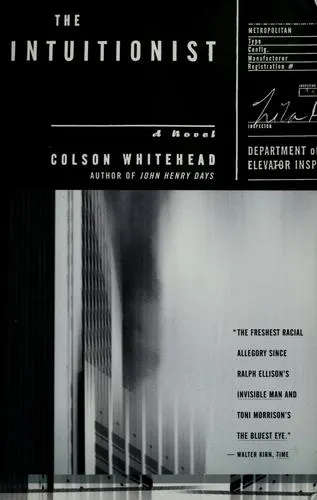
In Whitehead’s debut, elevator inspection has divided into rival philosophies: Empiricists trust instruments, while Intuitionists apprehend a machine’s condition almost mystically. Lila Mae Watson, the department’s first Black female inspector and a committed Intuitionist, becomes entangled in institutional warfare after an elevator she inspected catastrophically fails.
The inspired conceit is not merely quirky world-building. Like Reed’s Jes Grew, it makes competing theories of knowledge tangible, political, and inseparable from race. Whitehead folds noir, bureaucratic satire, speculative fiction, and philosophical allegory into a city whose vertical machinery embodies its social order. The novel announced his singular talent immediately; its strange, polished intelligence still makes it unlike anything else in his celebrated career.