Author
Books like Hans-Jacob Nilsson
3 books we recommend to Hans-Jacob Nilsson readers, drawn from Everything Is Illuminated — each with the reason why.
If you loved Everything Is Illuminated
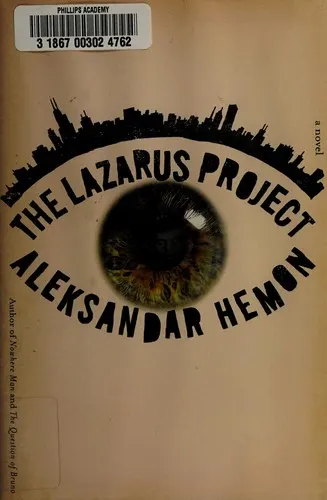
This National Book Award finalist is the closest match for Foer’s volatile mixture of immigrant comedy, archival mystery, photographs, and historical grief. Vladimir Brik, a Bosnian writer in Chicago, begins investigating the 1908 police killing of Jewish immigrant Lazarus Averbuch; his research turns into an Eastern European journey with a magnificently unreliable photographer.
Hemon’s English is dazzlingly alive—acerbic, estranging, and alert to the absurdities that appear when people translate themselves for others. Like Everything Is Illuminated, the novel keeps asking whether reconstructing a dead person’s life is an act of love, appropriation, or both. Its jokes do not relieve the sorrow; they sharpen it. Few novels capture so well the exhilaration and danger of trying to turn inherited catastrophe into a story.

Read this for the emotional counterpoint Foer handles so beautifully: enormous loneliness expressed through wit, eccentricity, and formal play. One voice belongs to Leo Gursky, an old man who stages small public mishaps simply to remain visible; another belongs to Alma, a precocious girl trying to understand the grief governing her family. Between them lies the mysterious life of a book called The History of Love.
Krauss moves among voices, documents, lists, and stories within stories without losing the intimate human pulse beneath the architecture. The result became an international readers’ favorite because its cleverness never feels decorative: every structural surprise deepens its meditation on lost people, displaced words, and love surviving through imperfect transmission. Its final pages are among contemporary fiction’s most quietly overwhelming.
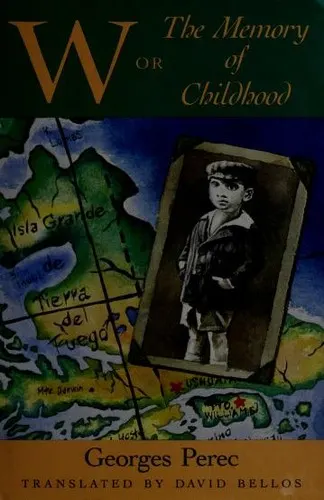
Perec offers the austere, formally radical ancestor to Foer’s attempt to write around what history has erased. The book alternates between fractured recollections of Perec’s wartime childhood and an apparently separate fiction about an island society organized entirely around sport. One strand is hesitant and full of gaps; the other has the crisp assurance of an invented world.
That design is the book’s moral force. Perec—one of the central figures of the Oulipo movement—understood that games, constraints, and fantasies can reveal what direct testimony cannot contain. Where Foer uses comic mistranslation and family legend, Perec uses omission, repetition, and chilling precision. This slender modern classic permanently changes how one reads silence: not as blankness, but as evidence.