Author
Books like Georgette Heyer
6 books we recommend to Georgette Heyer readers, drawn from The Grand Sophy, Frederica, The Masqueraders, The Unknown Ajax and The Talisman Ring — each with the reason why.
If you loved The Grand Sophy
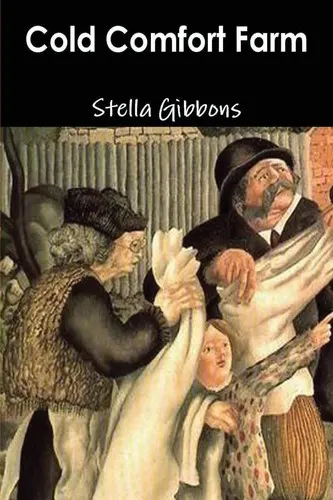
Flora Poste is Sophy’s ruthless comic cousin. Newly orphaned and armed with excellent taste, she chooses to live with her spectacularly gloomy relatives at Cold Comfort Farm. There she discovers a household devoted to melodrama, thwarted passions, and the conviction that nothing can ever change. Flora disagrees—and begins making improvements.
Gibbons turns the capable intruder into a weapon against an entire tradition of overwrought rural fiction. The humor is drier and more absurd than Heyer’s, but the central satisfaction is wonderfully familiar: Flora sees through poses that have intimidated everyone else and treats supposedly tragic destinies as manageable inconveniences. An enduring classic of English comic fiction, it offers the rare joy of watching common sense become a force of nature.
This Hugo Award–winning comedy replaces Regency matchmaking with time-traveling historians, but its deepest pleasures are remarkably Heyeresque. An exhausted researcher is sent to Victorian England, where a seemingly minor historical discrepancy has become tangled with eccentric aristocrats, romantic misunderstandings, formidable matrons, and the dangerous complexities of good manners.
Willis constructs comedy the way Heyer does at her most exuberant: every misplaced object, ill-judged confidence, and unwanted engagement becomes another cog in an increasingly elaborate machine. The romance grows through quick intelligence and shared improvisation, while the plot rewards exactly the attentiveness to character and social detail that The Grand Sophy encourages. Few modern novels combine cerebral ingenuity, farce, and sheer charm so successfully.
If you loved Frederica
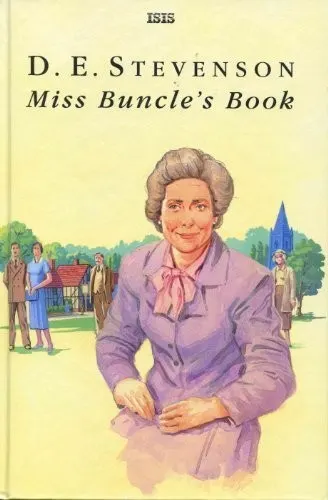
Barbara Buncle seems the least consequential woman in her English village; secretly, she has written a novel using her neighbors as material. When it is published, the villagers recognize everyone except the observant, supposedly unimaginative author—and indignation begins to expose exactly what Barbara saw in them.
The comedy is quieter than Heyer’s but shares her gift for revealing character through vanity, manners and domestic commotion. Barbara also has Frederica’s clear sight and underestimated strength, while the large cast gradually becomes more than a collection of jokes. Rediscovered and reissued decades after its 1934 publication, this is now a cherished comfort read: mischievous, humane and immensely satisfying about a sensible woman discovering her own authority.
If you loved The Masqueraders
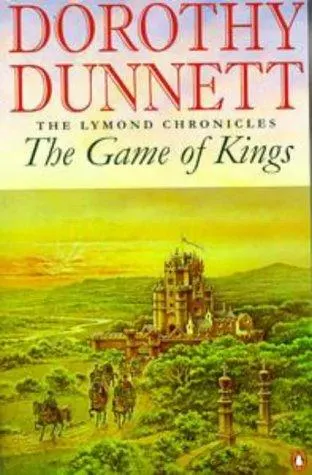
For readers who loved the dazzling nerve behind the disguises, Dunnett offers Francis Crawford of Lymond: outlaw, polyglot, provocateur, and virtuoso performer. He returns to sixteenth-century Scotland amid war and factional intrigue, treating danger as an opportunity for outrageous improvisation. Every conversation may be a duel; every apparent piece of bravado may conceal another purpose.
Dunnett is denser, darker, and more demanding than Heyer, but she supplies the same intoxicating pleasure of watching formidable minds assess one another. Her six-volume Lymond Chronicles became a touchstone of historical fiction and still inspires unusually devoted rereading. Once its rhythms click, The Game of Kings offers the rare thrill of encountering a novelist—and a protagonist—capable of staying several moves ahead of you.
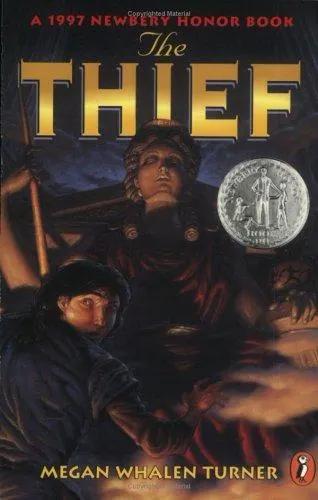
Gen begins the novel in prison after boasting that he can steal anything, including the king’s seal. His boast earns him a dangerous commission: accompany the king’s scholar to retrieve an object from an ancient site. He is insolent, observant, apparently lazy, and constantly underestimated—the ideal companion for anyone who enjoyed Robin and Prudence turning other people’s assumptions into weapons.
Turner writes with deceptive simplicity. Jokes, quarrels, and seemingly casual observations are placed with extraordinary precision, while Gen’s personality dominates every page. This Newbery Honor novel opened the much-loved Queen’s Thief series, whose readers are famously reluctant to discuss its pleasures too explicitly: discovery is part of the design. Read it attentively, then resist the nearly irresistible urge to begin again at once.
If you loved The Unknown Ajax
Sophie Hatter has accepted everyone else’s story about her: as the eldest of three sisters, she expects an uneventful, unsuccessful life. Then a curse drives her into the moving castle of the notorious wizard Howl, where almost nobody—not Howl, Sophie, the fire demon Calcifer, or the reader—is quite what first impressions suggest.
Jones shares Heyer’s delight in weaponized personas. Vanity, helplessness, bad temper, and respectability all become masks behind which formidable competence operates. The castle develops the same combustible intimacy as the Darracott household, and Sophie’s brisk confrontations with its theatrical inhabitants create a comedy both exuberant and exact. One of Jones’s most beloved novels, it rewards rereading because every revelation makes earlier jokes cleverer.