Author
Books like Gao Xingjian
3 books we recommend to Gao Xingjian readers, drawn from Soul Mountain — each with the reason why.
If you loved Soul Mountain
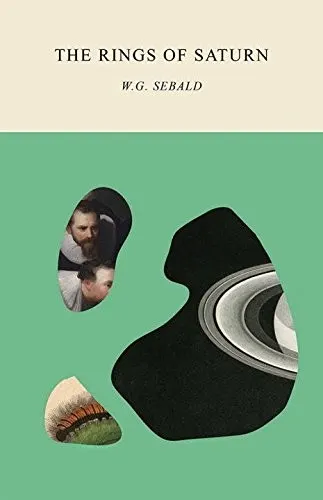
Sebald turns a walking tour of coastal England into an inexhaustible meditation on ruin, nature, memory, and human cruelty. Like Gao, he lets an encountered object or half-heard story open unexpectedly onto centuries of history; photographs and documentary facts only deepen the dreamlike uncertainty.
Often regarded as Sebald’s masterpiece, this novel helped make digressive, hybrid fiction one of contemporary literature’s most fertile forms. Its melancholy is more sustained than Soul Mountain’s, but it offers the same rare pleasure: following a solitary consciousness until landscape becomes a way of thinking.
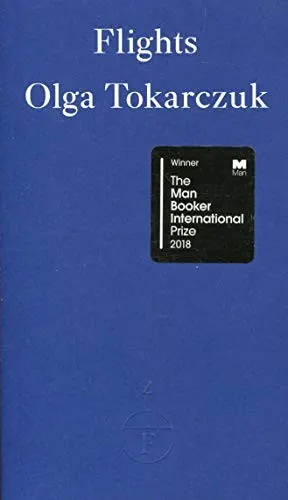
Flights is built from departures: brief narratives, travel notes, anatomical curiosities, philosophical fragments, and lives glimpsed in transit. Tokarczuk’s restless structure should appeal to anyone who loved the way Soul Mountain continually changes voice and form rather than submitting experience to a single plot.
Yet this Booker International-winning novel by the Nobel laureate is no miscellaneous collection. Its fragments gradually reveal a fierce fascination with motion, mortality, and the body’s uneasy claim to permanence. Tokarczuk makes wandering feel like both an intellectual method and a spiritual compulsion; skipping Flights would mean missing one of the most exhilarating reinventions of the journey novel.

Carpentaria opens by invoking an ancestral serpent beneath the Gulf of Carpentaria, then proceeds in a voice capable of encompassing myth, weather, political anger, gossip, comedy, and communal memory. As in Soul Mountain, the land is not scenery: it stores stories, resists ownership, and exceeds the people trying to explain it.
Wright’s great distinction is her exuberant collective voice. Where Gao splinters the self into pronouns, she lets competing histories and ways of knowing surge through immense, rhythmically charged sentences. Winner of Australia’s Miles Franklin Award and now widely recognized as a major work of Indigenous fiction, Carpentaria demands surrender—but rewards it with a world that feels spoken, sung, and stormed into being.