Author
Books like Gabriela Cabezón Cámara
3 books we recommend to Gabriela Cabezón Cámara readers, drawn from The Adventures of China Iron — each with the reason why.
If you loved The Adventures of China Iron
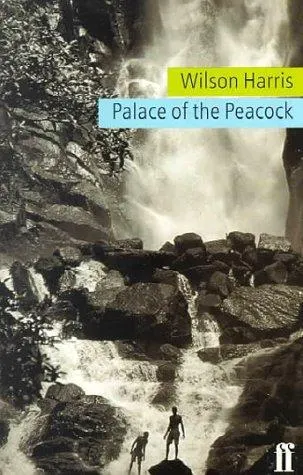
This short, visionary cornerstone of Caribbean modernism begins as a river expedition into Guyana, but Harris refuses the conquering gaze such stories usually assume. The landscape becomes an active, perceiving force; identities blur; apparently solid reality opens into dream and myth.
Like Cabezón Cámara, Harris does not merely criticize a colonial frontier narrative—he makes its habits of mastery impossible to sustain. His incantatory prose demands more concentration than China Iron’s, but it offers the same thrilling sense that language can free the world from an inherited map. Few novels so radically transform a journey into an act of historical unlearning.
Bình, the Vietnamese cook employed by Gertrude Stein and Alice B. Toklas in 1930s Paris, stands at the edge of a famous literary household and narrates himself into its center. That reversal will feel immediately satisfying to anyone who loved seeing Martín Fierro’s discarded wife seize her own story.
Truong’s Stonewall Book Award-winning debut is saturated with taste, touch, hunger and wordplay: food becomes memory, desire, class knowledge and a language shared unevenly across cultures. Yet Bình is never reduced to a corrective footnote in somebody else’s canon. Queer, sardonic and vulnerable, his voice creates a rival literature—one the celebrated figures around him cannot contain.
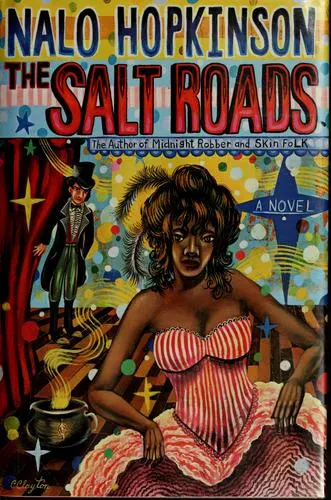
Nalo Hopkinson’s Nebula-nominated novel braids Black women’s voices across the Atlantic world, with a divine presence moving through histories that official archives have brutalized or ignored. Its deepest kinship with China Iron lies in its conviction that bodies—desiring, laboring, wounded and ecstatic—carry forms of knowledge that empires cannot comprehend.
Hopkinson writes salt, sweat, blood, perfume and sex with extraordinary tactile intensity. She faces enslavement and colonial violence without allowing oppression to monopolize the book’s imaginative life: pleasure, queer intimacy, spiritual power and mutual care remain ways of making freedom. If China Iron’s movement from captivity toward collective possibility stirred you, The Salt Roads is essential.