Author
Books like Frederick Forsyth
3 books we recommend to Frederick Forsyth readers, drawn from The Day of the Jackal — each with the reason why.
If you loved The Day of the Jackal
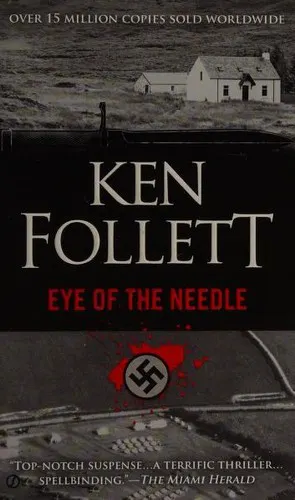
This is the closest match for Forsyth’s gift of making a foregone historical outcome feel urgently uncertain. In wartime Britain, a formidable German agent uncovers information that could change the course of the conflict, while the machinery hunting him gradually begins to move. Follett alternates between pursuit and evasion with the same pleasure in forged identities, transport, communications, and tiny errors that become lethal clues.
The novel won the Edgar Award and made Follett’s name, deservedly: its clockwork construction never feels mechanical because the people caught inside it matter. If the Jackal’s icy competence fascinated you as much as the chase, this is essential.
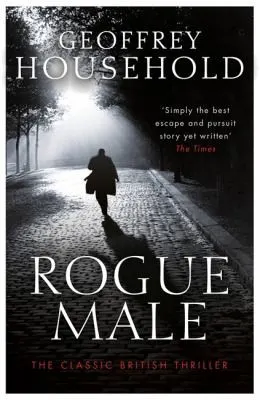
A nameless English sportsman is caught aiming a rifle at a European dictator. He insists it was merely a hypothetical exercise; his captors are unconvinced. What follows is manhunting reduced to its purest form, with one resourceful fugitive forced to think about terrain, concealment, food, nerves, and the habits by which a pursuer reads his prey.
Published in 1939, Rogue Male became a foundational modern pursuit thriller, and its admirers remain fiercely loyal to its lean, unsettling power. Forsyth expands suspense into a vast administrative operation; Household compresses it until every footprint and scrap of cover matters. Missing it would mean missing one of the genre’s great ancestors.
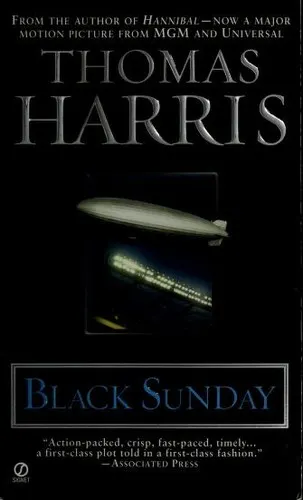
Long before Hannibal Lecter, Thomas Harris wrote this ruthless procedural about an attack planned for the Super Bowl and the intelligence professionals trying to identify and stop it. Harris moves among conspirators, investigators, explosives, surveillance, and institutional rivalries, showing how a catastrophe is assembled—and how fragmentary knowledge can be turned into a hunt.
What makes it kin to The Day of the Jackal is not merely the target but the disciplined attention paid to systems. The suspense comes from watching separate chains of action converge, each link plausible and each delay costly. Harris’s first novel already displays his unnerving command of technical detail and predatory psychology; it is one of the sharpest large-scale thrillers of its era.