Author
Books like F. Scott Fitzgerald
3 books we recommend to F. Scott Fitzgerald readers, drawn from The Great Gatsby — each with the reason why.
If you loved The Great Gatsby
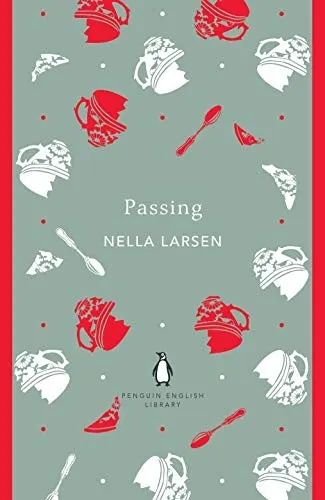
Like Gatsby, Larsen’s characters understand that identity can be composed—through clothes, manners, money, stories, and the desires of other people. When Irene Redfield unexpectedly renews her acquaintance with Clare Kendry, fascination and unease become inseparable. Clare possesses something of Gatsby’s radiance: she draws people toward her while making them fear what her presence may expose.
This Harlem Renaissance classic is even more compressed than Fitzgerald’s novel, and nearly every polished sentence conceals an unstable motive. Larsen’s use of limited perspective also produces the same haunting uncertainty that Nick Carraway leaves behind: are we witnessing another person clearly, or only a narrator’s need to admire, judge, and possess them? Its final ambiguities have kept readers arguing for almost a century.
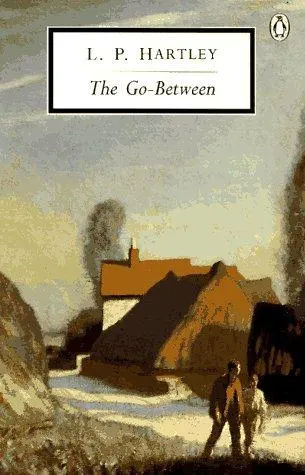
An elderly man discovers a diary from the summer when, as a boy visiting a wealthy family’s country estate, he became the unwitting courier for two adults. From that opening, Hartley builds a devastating novel about the moment glamour recruits innocence into its service.
A Gatsby admirer will recognize the retrospective ache: the past is not safely over but preserved in objects, phrases, weather, and shame. Hartley is especially brilliant about class as an invisible system—seductive to an outsider, obvious to insiders, and merciless when crossed. The novel’s famous first sentence, “The past is a foreign country: they do things differently there,” has entered the language, but the book earns its immortality by making that idea painfully intimate.
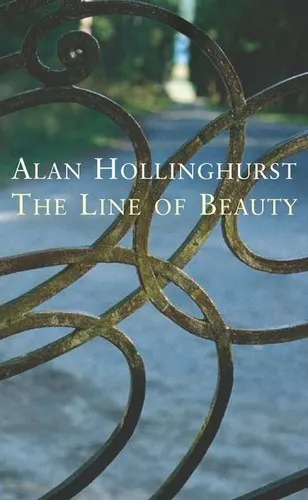
In 1983, Nick Guest moves into the London home of a Conservative politician and becomes entranced by the family’s confidence, wealth, and access. He is both participant and observer: welcomed into the drawing room yet never allowed to forget that he arrived from elsewhere. That double position makes him a compelling descendant of Nick Carraway.
Hollinghurst understands, as Fitzgerald did, that beauty can sharpen moral perception or disable it. His sumptuous sentences make privilege genuinely alluring before revealing what the allure encourages people not to see. Winner of the Booker Prize, this is a larger, more expansive social novel than Gatsby, but it has the same dangerous heartbeat: an outsider mistakes proximity to the golden world for belonging, while history gathers beyond the party lights.