Author
Books like Eudora Welty
3 books we recommend to Eudora Welty readers, drawn from The Optimist's Daughter — each with the reason why.
If you loved The Optimist's Daughter
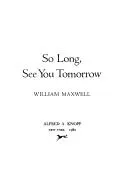
Like Laurel, Maxwell’s narrator returns to an old loss and discovers that memory is neither a record nor a refuge—it is an obligation. From the bare facts of a murder in rural Illinois, he tries to reconstruct the inward lives of people he failed to understand, while his own childhood grief presses quietly through the narrative.
Widely regarded as Maxwell’s masterpiece, this exceptionally slender novel has Welty’s gift for making restraint feel more devastating than disclosure. A farmhouse, a school corridor, and a remembered gesture accumulate moral weight until the book becomes an inquiry into guilt, tenderness, and the stories we tell about the dead. Few novels achieve so much with so little visible effort.
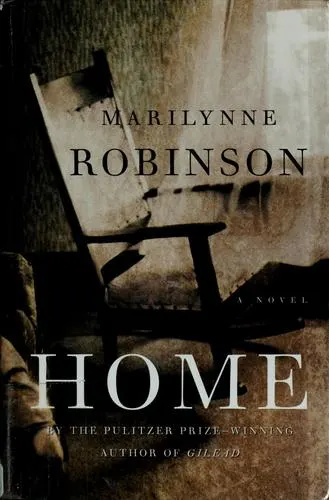
Glory Boughton has returned to her father’s house to care for him; then her troubled brother Jack comes home as well. The situation is immediately intimate and uncomfortable: adult children resume old roles, affection becomes inseparable from judgment, and every conversation carries years of family history beneath its courteous surface.
Winner of the Orange Prize, Home matches Welty not simply in its homecoming but in its profound attention to what families cannot say. Robinson makes a meal, a repaired car, or a pause in conversation reveal competing forms of love. Her compassion never turns sentimental: she understands that forgiveness may be sincerely offered and still fail to reach the person who needs it. Readers who admired Welty’s clear-eyed tenderness should find this indispensable.
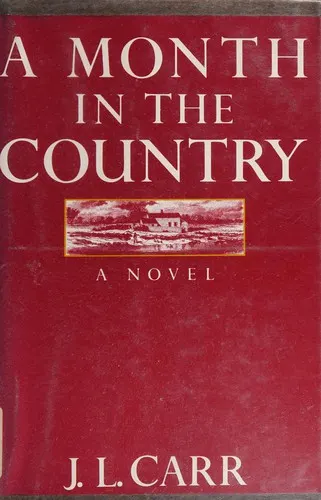
A traumatized veteran arrives in a Yorkshire village to uncover a medieval painting hidden beneath whitewash. Carr turns that patient work—scraping, looking, recovering—into a beautiful analogue for the way a damaged person cautiously returns to life. The pleasures are concrete: a church tower, summer weather, modest companionship, the gradual revelation of color.
Booker-shortlisted and winner of the Guardian Fiction Prize, this short novel shares The Optimist’s Daughter’s rare emotional proportion. It neither inflates sorrow nor pretends sorrow can be conquered; instead, it shows how beauty and happiness may become visible only as they are passing. Its final pages are famous among devoted readers for their quiet force, and the whole book feels destined to be reread.