Author
Books like Elizabeth Bowen
5 books we recommend to Elizabeth Bowen readers, drawn from The Heat of the Day and The Death of the Heart — each with the reason why.
If you loved The Heat of the Day
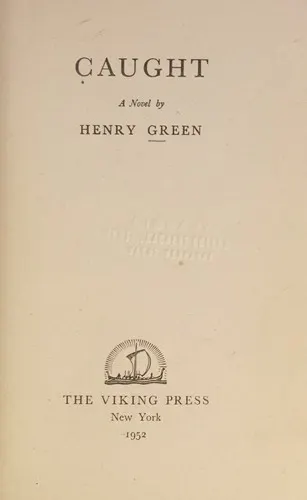
During the Blitz, a prosperous businessman joins London’s Auxiliary Fire Service and enters the uneasy society of a station where class resentment, wounded pride, and personal history are already smouldering. The fires matter, but Green’s real subject is what emergency exposes in people—and what it allows them to keep hidden.
Like Bowen, Green makes ordinary conversation feel perilous: evasions carry more force than declarations, while abrupt, glinting prose catches emotion before it can compose itself. Long cherished as a writers’ writer, he turns wartime London into a moral pressure chamber. Caught is among the few Blitz novels whose psychological atmosphere can genuinely stand beside The Heat of the Day.
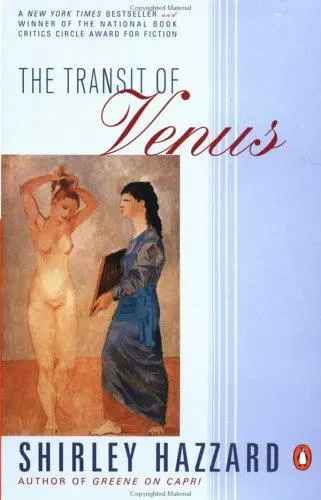
Two Australian sisters arrive in postwar England, where love, ambition, and dependence draw them into lives whose meanings emerge only gradually. Hazzard handles time with extraordinary authority: an apparently casual image may become decisive decades later, while the narration calmly anticipates consequences the characters cannot yet imagine.
A lover of Bowen will recognize the intelligence of every sentence—the compressed wit, the social precision, the sense that desire is both revelation and trap. Yet Hazzard’s vision is more sweeping and fateful, tracing the long afterlife of choices rather than the pressure of one historical moment. Winner of the National Book Critics Circle Award and sustained by unusually devoted readers, The Transit of Venus is the rare novel whose formal brilliance intensifies, rather than cools, its emotional power.
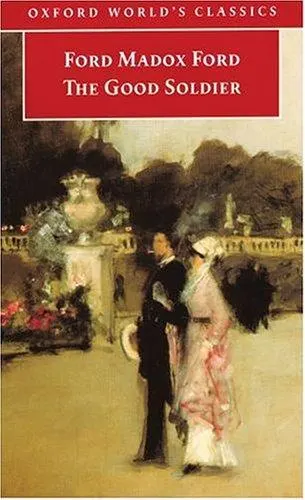
John Dowell begins by calling his account “the saddest story” he has ever heard, then tries to explain the intimate friendship between two affluent couples. His narrative doubles back, corrects itself, and discovers—almost despite him—that civilized manners can serve as an elaborate system for concealing appetite, pain, and betrayal.
This is the book for the reader who loved Bowen’s refusal to separate knowledge from intimacy. What does it mean to know another person? Is ignorance innocence, cowardice, or collaboration? Ford makes those questions suspenseful without relying on conventional mystery. A foundational modernist novel, The Good Soldier has influenced generations of fiction about unreliable memory; its final effect is devastating precisely because almost everything has been said so politely.
If you loved The Death of the Heart
Aroon St Charles recounts her Anglo-Irish family life with majestic confidence—and almost no understanding of what her own memories reveal. Affection, neglect, appetite, and humiliation hide beneath impeccable manners; every polite phrase seems to carry a second, lethal meaning.
Where Bowen lets us feel Portia’s exposure, Keane traps us inside the consciousness of someone who has made blindness her protection. The result is darker and much funnier: a masterpiece of unreliable narration in which the reader must detect every emotional catastrophe unaided. Shortlisted for the Booker Prize in 1981, it revived Keane’s career after a silence of two decades. Few novels make self-deception so appalling, or so irresistibly entertaining.
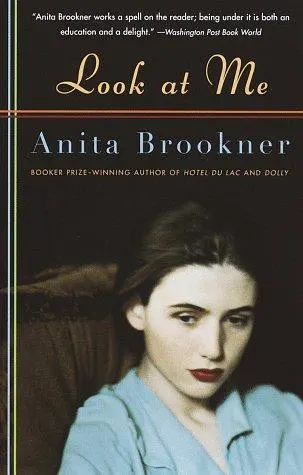
Frances Hinton works in a medical reference library, observes other people with a novelist’s hungry attention, and longs to escape the quiet life that has made her nearly invisible. When a dazzling, socially assured couple draws her toward them, Brookner anatomizes the unequal transaction between those who confer excitement and those grateful merely to receive it.
A reader haunted by Portia’s diary, her need to be recognized, and the casual entitlement of the Quaynes will immediately understand Frances. Yet Brookner’s cool first-person voice creates a different suspense: how much does this intelligent observer understand about her own susceptibility? Written before the Booker-winning Hotel du Lac, Look at Me is among Brookner’s sharpest and most unsettling novels—a merciless account of loneliness that never treats loneliness as contemptible.