Author
Books like Edward P. Jones
3 books we recommend to Edward P. Jones readers, drawn from The Known World — each with the reason why.
If you loved The Known World
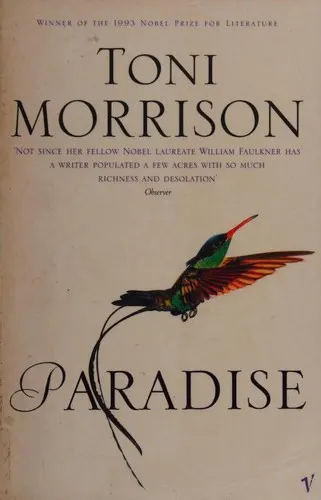
Morrison begins with an act of communal violence, then moves backward and sideways through the lives that made it possible. Like Jones, she treats a town as a living moral organism: private grievances become public myths, the dead remain active in memory, and every apparent certainty changes when another person’s story enters the frame.
Paradise also offers the particular pleasure of watching an omniscient narrator move effortlessly among decades, households, and consciousnesses. Morrison refuses to divide her characters into victims and villains; she asks how wounded people turn suffering into authority and history into permission. The result is one of her most fiercely debated and inexhaustible novels—a book whose ambiguities inspire devotion because they cannot be solved, only revisited.
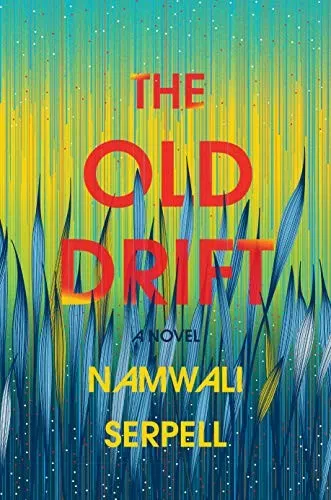
If you loved the way Jones can pause over an apparently minor life and reveal an entire destiny, read The Old Drift. Serpell follows three families across generations in Zambia, allowing accidents, inheritances, technologies, and old resentments to accumulate into a national history. Her narration has Jones’s exhilarating abundance: no person is merely incidental, and the future can suddenly open inside a sentence about the past.
Yet Serpell’s novel has its own audacious energy, shifting among historical fiction, family saga, comedy, and speculative invention without losing emotional intimacy. A chorus of mosquitoes comments from the margins, giving the book an uncanny collective intelligence. Winner of the Arthur C. Clarke Award, this is a debut of astonishing scale—the kind of novel that makes most family sagas seem underpopulated.
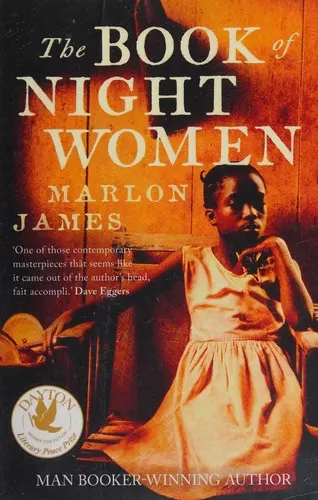
Marlon James shares Jones’s refusal to let enslavement flatten anyone into a symbol. His Jamaican plantation is populated by people with competing desires, loyalties, vanities, cruelties, and strategies for survival. At its center is Lilith, born into slavery and possessed of a dangerous will; around her stands a formidable group of women whose intelligence and anger shape the novel’s world.
The book’s patois-inflected prose is not ornamental—it determines what can be seen, judged, mocked, or withheld. James writes violence without sanitizing it, but he is equally alert to wit, tenderness, rivalry, and the compromises power forces upon the powerless. A National Book Critics Circle finalist and Dayton Literary Peace Prize winner, it announced the formidable talent later recognized by the Booker Prize. Its moral ferocity leaves a permanent mark.