Author
Books like Edward Abbey
3 books we recommend to Edward Abbey readers, drawn from The Monkey Wrench Gang — each with the reason why.
If you loved The Monkey Wrench Gang
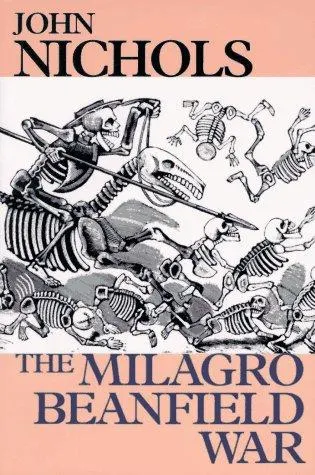
When Joe Mondragon diverts water into a small beanfield, his impulsive act challenges the developers, officials, and moneyed interests tightening their grip on a New Mexico town. From that tiny defiance Nichols builds a gloriously crowded uprising of neighbors, hustlers, ghosts, bureaucrats, and reluctant heroes.
Like Abbey, Nichols makes resistance feel both necessary and absurd. His people quarrel, drink, boast, misunderstand one another, and nevertheless become dangerous to those who treat land as an entry on a balance sheet. A cult favorite since 1974, this is the rare political novel whose anger generates warmth, mischief, and exuberant life. It may be the closest thing to finding another unruly branch of Abbey’s gang.
Henry Shackleford, a young enslaved boy, is swept into abolitionist John Brown’s ragged band after a chaotic encounter and an enduring misunderstanding about Henry’s identity. He narrates the resulting adventures in a voice full of evasions, tall tales, terror, and wicked comic timing.
The kinship lies in McBride’s vision of morally serious action carried out by spectacularly fallible zealots. Brown’s followers are brave, ridiculous, quarrelsome, and possessed by a cause larger than their competence—much like Abbey’s saboteurs. Winner of the National Book Award, The Good Lord Bird pulls off the difficult feat of making fanaticism uproarious without trivializing the evil it opposes. Miss it, and you miss one of the liveliest outlaw companies in recent American fiction.
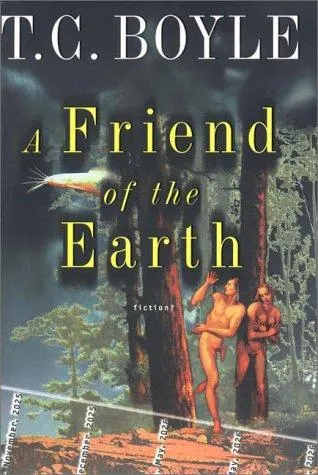
In a climate-ravaged 2025, seventy-five-year-old Ty Tierwater tends the remnants of an animal collection and looks back on his years of radical environmental activism. Boyle’s future is rain-soaked, overheated, and grotesquely plausible; his protagonist is equally battered, compromised, and stubborn.
This is not an imitation of Abbey’s romance of sabotage but a savage reckoning with it. Boyle shares Abbey’s appetite for farce, disaster, grand gestures, and prickly men whose devotion to wilderness is tangled with vanity and appetite. The comedy keeps turning into grief, then back into comedy, while the novel asks what remains of righteous rebellion after the slogans, stunts, and camaraderie have passed. For an Abbey reader, it feels like an indispensable, unsentimental look down the road.