Author
Books like Édouard Louis
3 books we recommend to Édouard Louis readers, drawn from History of Violence — each with the reason why.
If you loved History of Violence
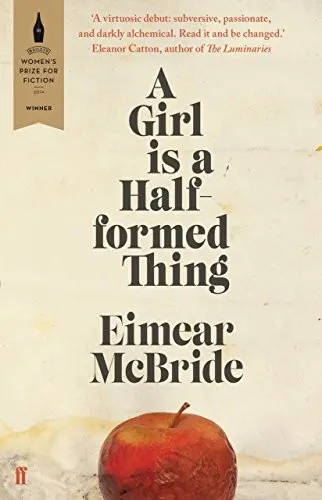
McBride puts you inside a consciousness shaped by poverty, family damage, desire, and sexual violence before that consciousness can impose order on experience. Her fractured, breathless sentences do not merely describe trauma; they reproduce its broken rhythms, much as Louis’s repetitions and contradictions show memory resisting an official version of events.
Winner of both the inaugural Goldsmiths Prize and the Baileys Women’s Prize, this is one of the rare formally daring novels whose emotional force matches its technical brilliance. It is harrowing, intimate, and fiercely alive—the kind of book that changes what you believe prose can make you feel.
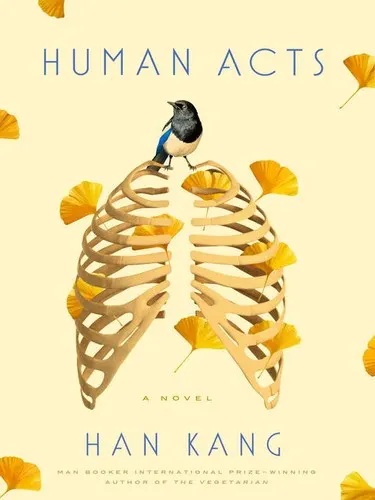
Beginning amid the bodies and disappearances of the 1980 Gwangju uprising, Human Acts asks who may speak for the violated, what happens when authorities falsify suffering, and how violence continues inside survivors long after the event. Its shifting voices turn testimony into an ethical problem: every perspective reveals something necessary, yet none can contain the whole.
Han Kang’s restrained language makes the brutality more—not less—devastating. The novel won the International Booker Prize and has become central to her worldwide reputation because it transforms historical atrocity into an intensely physical encounter with individual lives. A reader moved by Louis’s refusal to make violence simple will find this indispensable.
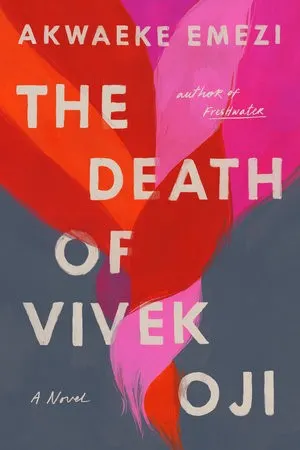
The novel opens with a mother receiving the body of her child, then gathers competing accounts of who Vivek was. Family, friends, and lovers each possess fragments, but their love can coexist with blindness, secrecy, and the urge to replace a difficult life with a more acceptable story. That struggle over who controls the narrative has a piercing affinity with Louis’s overheard, appropriated account of his own assault.
Emezi writes with unusual tenderness about a queer person whose body becomes the object of other people’s explanations. Yet Vivek never feels like a case study: the novel restores texture, desire, humor, and mystery to a life others try to define. Its devoted readership is deserved; few novels make the difference between being loved and being truly seen feel so urgent.