Author
Books like Edith Nesbit
7 books we recommend to Edith Nesbit readers, drawn from The Railway Children, Five Children and It and The Story of the Treasure Seekers — each with the reason why.
If you loved The Railway Children
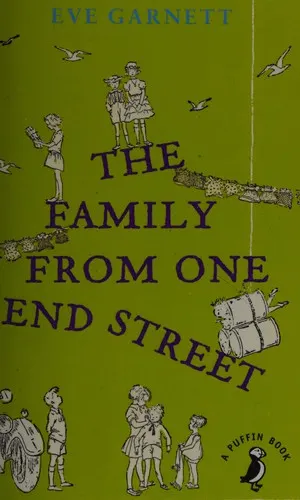
Eve Garnett gives the seven Ruggles children the same dignity Nesbit gives Roberta, Peter, and Phyllis: their mistakes matter, their good impulses have consequences, and ordinary family life is ample material for excitement.
The Ruggleses have little money, but Garnett neither sentimentalizes nor patronizes them. Haircuts, lost clothes, school outings, and household emergencies become vivid dramas because every child has a distinct temperament and every scrape tests the family’s loyalty. Winner of the Carnegie Medal, this warm, unsugared classic offers one of children’s literature’s most convincing portraits of happiness without prosperity.
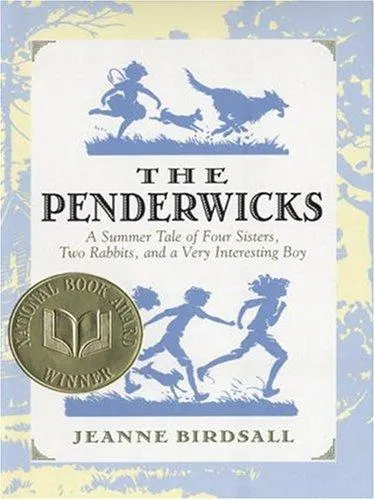
Four sisters arrive at a summer cottage and promptly fill the neighboring estate with secret meetings, loyalties, quarrels, rescues, and plans that adults have failed to make. Birdsall understands, as Nesbit did, that children are not merely witnesses to family trouble: they improvise solutions, sometimes disastrously, and become braver through trying.
The pleasure lies in the sisters’ sharply different characters and in prose that feels timeless without becoming quaint. Beneath the comedy is the same emotional promise as The Railway Children—that generosity can alter another person’s fate. The first volume of a deeply beloved series and winner of the National Book Award for Young People’s Literature, it is a modern family classic with an old-fashioned largeness of heart.
If you loved Five Children and It
Four siblings discover a coin that grants exactly half of every wish, forcing them to ask for twice what they want—and to reckon with ambiguities that arithmetic cannot fix. The pleasure lies not merely in magical mishaps but in watching ordinary children argue, improvise, and discover that getting one’s desire is often the beginning of the problem.
Eager openly revered Nesbit, and this enduring American classic feels like an affectionate continuation of her tradition rather than an imitation. Its brisk sibling banter, exact rules, dry narrator, and refusal to make children improbably virtuous give it the unmistakable Nesbit flavor. Few successors have understood her particular magic so well.
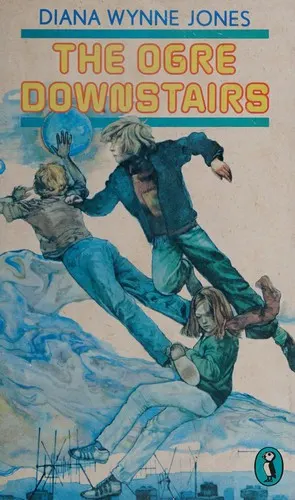
Caspar, Johnny, and Gwinny resent their new stepfather and his sons; the boys downstairs return the hostility with interest. Then two chemistry sets enter the house, and experiments begin producing effects that no respectable chemistry set should.
Jones uses fantasy to intensify emotions already present in the household: jealousy, territorial fury, divided loyalties, and the suspicion that adults are being grossly unfair. The escalating chaos is wonderfully funny, but the family conflict is never treated as trivial. This early novel already displays the combination that made Jones so passionately admired—wild invention governed by rigorous logic, children who think under pressure, and comedy with genuine emotional stakes.
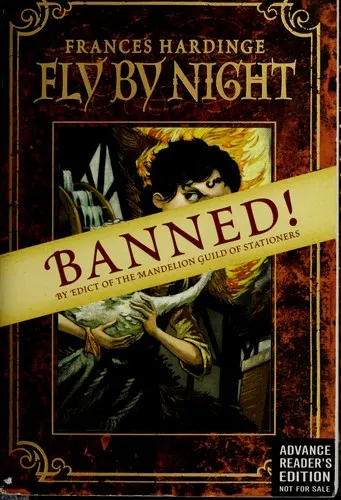
Mosca Mye, an ill-tempered, ferociously observant girl who can read in a country suspicious of books, runs away with a dangerous goose and attaches herself to the silver-tongued Eponymous Clent. From that opening, Hardinge creates a world of rival guilds, outlawed words, dubious authorities, and adults whose eloquence is no guarantee of wisdom.
The kinship with Nesbit is in the intelligence of the telling: the narrator’s wicked side-glances, the child heroine’s practical response to absurdity, and the understanding that young people can be naïve without being foolish. Winner of the Branford Boase Award, Hardinge’s debut announced one of modern children’s literature’s most distinctive voices. Readers who love Nesbit’s wit—and her refusal to condescend—should not miss Mosca.
If you loved The Story of the Treasure Seekers
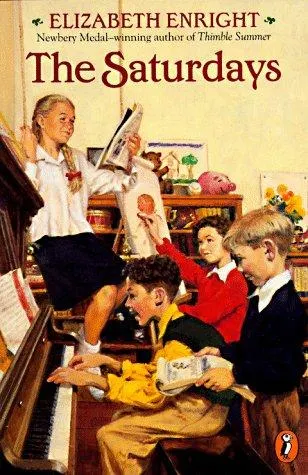
The four Melendy children pool their allowances so that each can have one splendid Saturday alone in New York. Enright understands, as Nesbit does, that children’s projects acquire the gravity of national policy—and that mishaps are funniest when the author respects that gravity rather than mocking it.
The Melendys are distinct, argumentative, loyal personalities, not a tidy collective of “nice children.” Their independence produces comedy, but also moments of genuine enlargement as each discovers a world beyond the family. Published in 1941, this first Melendy novel has become a quietly enduring American classic. Readers who cherish the Bastables’ mixture of enterprise, sibling friction, and underlying tenderness should not miss them.
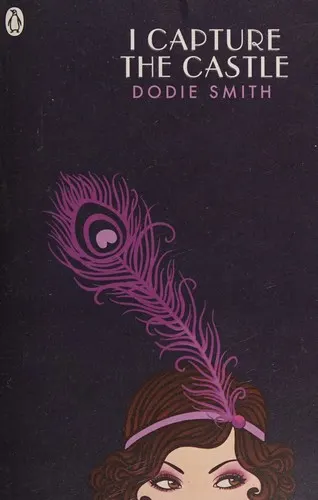
Cassandra Mortmain begins her journal in a kitchen sink and records life in a decaying castle with wit sharp enough to make poverty picturesque without ever making it harmless. Like Oswald, she is a first-person narrator whose voice is the book’s great event: observant yet inexperienced, theatrical yet candid, and continually revealing more than she understands.
This is a more grown-up novel, concerned with artistic vanity, first love, and the dangerous appeal of turning one’s family into a story. But its eccentric household, precarious finances, rescue fantasies, and rapid shifts between farce and ache will feel deeply familiar to a Nesbit reader. Long beloved as a twentieth-century classic, it is one of those rare novels whose opening charm deepens into something piercing—and whose narrator becomes almost impossible to leave behind.