Author
Books like Denis Diderot
3 books we recommend to Denis Diderot readers, drawn from Jacques the Fatalist — each with the reason why.
If you loved Jacques the Fatalist
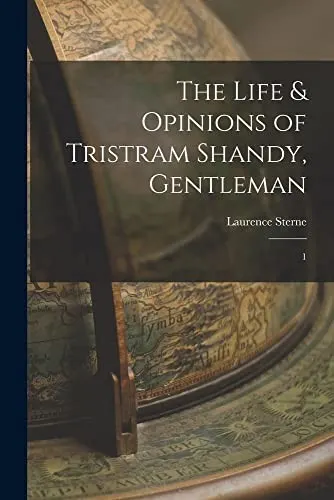
The essential companion to Diderot’s novel—and one of its great inspirations. Tristram cannot properly begin his life story because every explanation breeds three digressions; the narrator quarrels with readers, rearranges time, and turns typography itself into comedy.
But Sterne offers more than formal mischief. Like Diderot, he finds tenderness inside absurdity: eccentric opinions and bawdy jokes gradually reveal vulnerable, lovable people. Its immense influence on experimental fiction can make it sound dutifully canonical; in fact, it remains startlingly intimate and funny. To love Jacques without meeting Tristram is to miss the brilliant co-conspirator speaking just behind him.
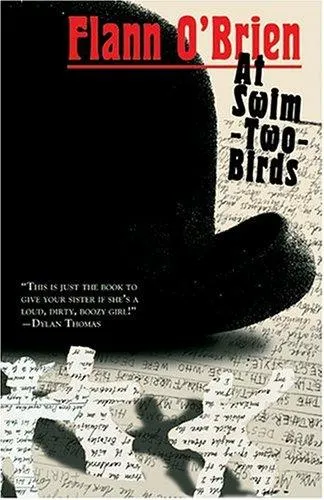
O’Brien takes Diderot’s suspicion of authorial authority to riotous extremes. An idle Dublin student writes a novel assembled from borrowed characters, competing genres, and figures who grow increasingly dissatisfied with the man supposedly controlling them. The result is not random cleverness but a comic revolt against the idea that stories—or people—must obey their makers.
Its deadpan voice makes every escalation funnier: myth, cowboy adventure, pub talk, and literary theory collide without anyone admitting that the situation is unusual. Admired by writers from James Joyce to Anthony Burgess and sustained by generations of devoted readers, it is one of metafiction’s genuine comic masterpieces. Diderot opened the novel’s machinery; O’Brien lets the machinery mutiny.
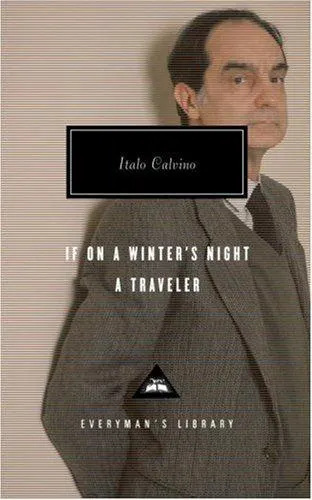
Calvino makes the delicious frustration of Jacques’s endlessly postponed love story into an entire architecture. You begin reading a new novel, only to have it break off; the search for the missing continuation leads into another opening, then another—each immediately seductive, each interrupted at precisely the wrong moment.
What keeps this from being merely an ingenious puzzle is Calvino’s understanding of reading as appetite, intimacy, and risk. He addresses “you” directly, teasing your expectations while making your desire to continue the true engine of the book. A landmark of postmodern fiction that remains unusually pleasurable, it offers the rare sensation of being mocked, courted, and transformed into a character all at once.