Author
Books like David Bradley
3 books we recommend to David Bradley readers, drawn from The Chaneysville Incident — each with the reason why.
If you loved The Chaneysville Incident
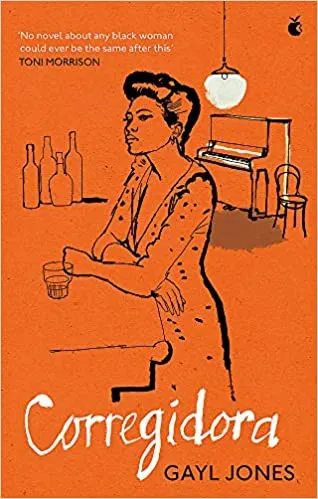
Like Bradley, Jones asks what happens when Black families must become their own archives. Blues singer Ursa Corregidora has inherited generations of testimony about enslavement and sexual violence; the past reaches her not as orderly history but as repeated stories, bodily memory, and a command to preserve what official records erased.
Jones’s language is the revelation: compressed, recursive, and musical, it makes memory sound like both a blues refrain and an inescapable argument. First published in 1975 under Toni Morrison’s editorial guidance, Corregidora has become a landmark of American fiction. It offers the same exhilarating challenge as The Chaneysville Incident: not merely uncovering the past, but deciding whether inherited testimony can sustain a life without consuming it.

Dessa Rose begins with a white writer trying to turn an enslaved woman’s words into evidence for his own theories. Dessa’s voice refuses his categories. From that contest Williams builds a thrilling novel about who controls a story, what literacy can conceal, and how speech preserves truths that documents distort.
The kinship with Bradley lies in the book’s suspicion of supposedly neutral history and its faith in the unruly power of oral testimony. Yet Williams is warmer, more openly comic, and more improvisational; her characters keep exceeding every identity imposed on them. Now regarded as a foundational neo-slave narrative, Dessa Rose is intellectually formidable without ever ceasing to be alive with danger, wit, and human appetite.
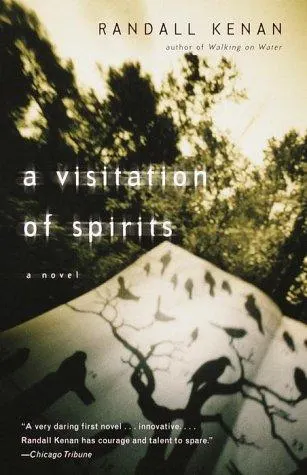
Randall Kenan’s first novel turns a young man’s crisis into an inquiry into an entire Black Southern community—its faith, silences, family legends, tenderness, and failures of imagination. Rather than explain Horace Cross from a safe distance, Kenan approaches him through fractured chronology and multiple perspectives, making reconstruction itself the drama.
Readers who admired Bradley’s movement between personal anguish and communal history will recognize the method, but Kenan’s mixture of biblical cadence, folklore, grotesque comedy, and queer longing is wholly his own. The novel has acquired a devoted reputation as a neglected modern classic because it refuses easy villains and consoling answers. Like The Chaneysville Incident, it leaves you feeling that telling the dead truthfully is difficult, necessary, and never finished.