Author
Books like Daniel Alarcón
3 books we recommend to Daniel Alarcón readers, drawn from Lost City Radio — each with the reason why.
If you loved Lost City Radio
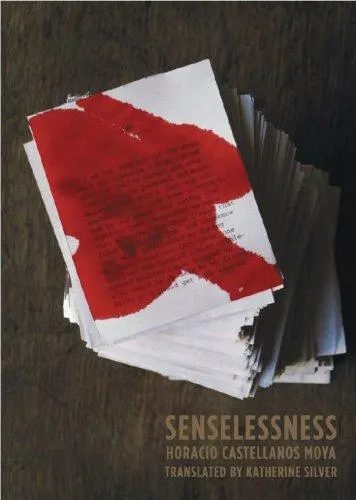
A neurotic writer is hired to copyedit a human-rights report composed from Indigenous survivors’ testimony about military atrocities. Soon their stark, uncanny sentences lodge in his mind, while paranoia—justified or otherwise—begins to govern his days.
Like Alarcón, Castellanos Moya understands that political violence survives inside language: official euphemisms conceal it, witnesses struggle to record it, and listeners cannot remain untouched. But where Lost City Radio is mournful and tender, this defining Central American novel is feverish, abrasive, and horribly funny. Its breathless voice makes reading feel like being trapped inside a conscience that wants to flee what it knows. Short, corrosive, and unforgettable, it is among the most incisive novels about what testimony costs both the speaker and the person entrusted with it.
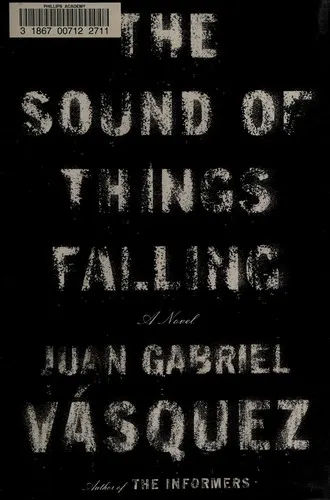
A news report about an escaped hippopotamus unexpectedly returns a Bogotá law professor to the memory of Ricardo Laverde, an enigmatic acquaintance whose past became entangled with his own. From that disturbance, Vásquez traces how a period of national terror colonizes ordinary lives long after the headlines have faded.
The kinship with Lost City Radio lies in this afterlife of violence: history is not background but an invisible pressure shaping marriages, fears, silences, and chance encounters. Vásquez writes with investigative momentum, yet the real mystery is emotional—how people inherit catastrophes they only partly understand. Winner of the International Dublin Literary Award, this is a beautifully controlled novel whose accumulating revelations make a country’s history feel intimate enough to wound.
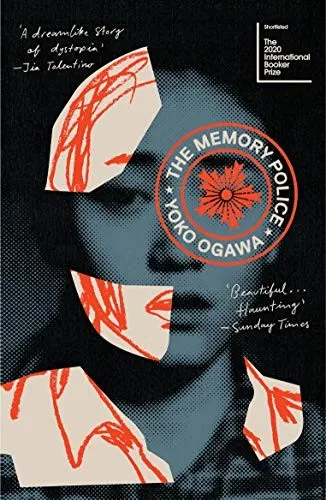
On an unnamed island, objects periodically vanish—not only from daily life but from most people’s memories. A novelist who still feels the absences shelters her editor, one of the rare people able to remember what has been erased, while the authorities tighten their control.
Ogawa’s quiet surrealism reaches the same nerve as Alarcón’s unnamed country: power does not merely make people disappear; it tries to destroy the language and memory through which they might be recovered. Her lucid, restrained prose makes each loss feel at once dreamlike and brutally concrete. A finalist for both the International Booker Prize and the National Book Award for Translated Literature, The Memory Police has acquired devoted readers because its allegory never remains abstract—it becomes a piercing story about art, attachment, and the stubborn human need to preserve what authority declares nonexistent.