Author
Books like Claire Keegan
4 books we recommend to Claire Keegan readers, drawn from Small Things like These and Foster — each with the reason why.
If you loved Small Things like These
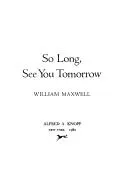
Maxwell’s National Book Award winner is another brief novel in which a decent man looks directly at a failure of courage. Returning in memory to an Illinois murder and the boyhood friendship surrounding it, the narrator finds that what went unsaid matters as much as what happened.
Like Keegan, Maxwell writes with extraordinary restraint: plain sentences, exact physical details, no forced emotion. Yet compassion quietly enlarges the story until several damaged lives seem fully present. Few novels understand so well that guilt may arise not from cruelty but from one small moment when kindness was possible and withheld.
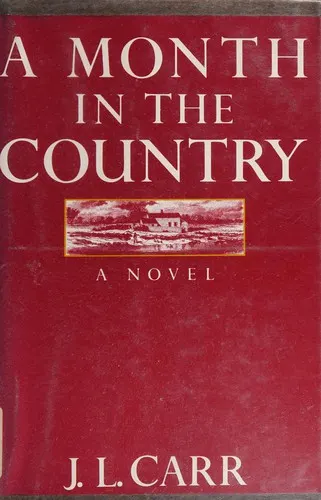
A shell-shocked veteran arrives in a Yorkshire village to uncover a medieval mural in a church. As he works through a radiant summer, paint, weather, meals, and tentative friendships begin to restore something the war has broken.
This Booker-shortlisted cult classic offers the same deep pleasure as Keegan’s novella: craftsmanship made visible, suffering kept mostly beneath the language, and goodness expressed through practical gestures rather than declarations. Carr’s prose is gentle without being sentimental, and the book’s brevity makes its final emotional reach feel almost miraculous.
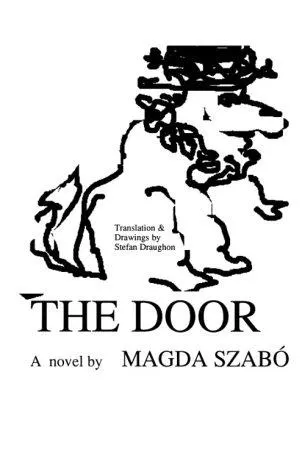
Szabó begins with a confession of guilt, then tells the story of a writer and Emerence, the formidable housekeeper who enters her life and refuses every comfortable rule of intimacy. Their relationship is built from domestic work, guarded secrets, pride, dependence, and competing ideas of what it means to help another person.
In Len Rix’s prize-winning translation, The Door has become Szabó’s most internationally beloved novel. It is fiercer and more expansive than Small Things like These, but it poses the same unsettling question: when another person’s dignity is at stake, is believing oneself good enough? Emerence is unforgettable, and the novel’s moral force lingers like a personal accusation.
If you loved Foster
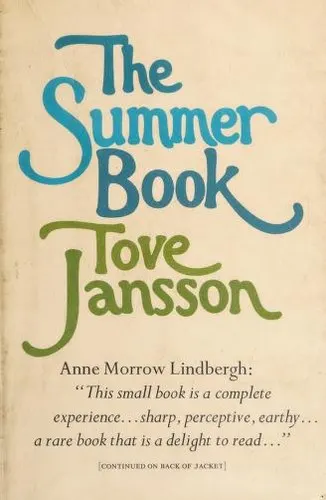
On a small Finnish island, six-year-old Sophia and her grandmother talk, quarrel, explore and coexist with a tenderness neither would dream of sentimentalizing. Jansson captures a child’s consciousness without making it cute: Sophia can be imperious, frightened, imaginative and startlingly perceptive, while her grandmother respects her enough not to simplify the world.
Like Keegan, Jansson trusts silence, physical detail and the reader’s emotional intelligence. Storms, insects, boats and small domestic rituals carry feelings the characters rarely name. This modern Scandinavian classic offers the rare pleasure of being both bracingly unsentimental and profoundly loving.