Author
Books like Christoph Ransmayr
3 books we recommend to Christoph Ransmayr readers, drawn from The Last World — each with the reason why.
If you loved The Last World
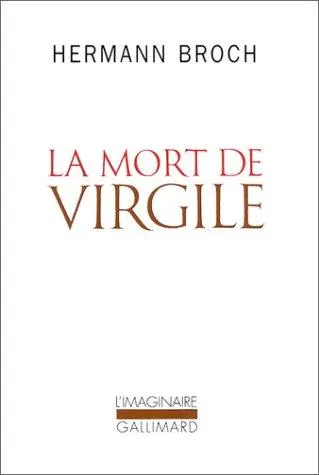
Virgil arrives gravely ill at Brundisium, carrying the unfinished Aeneid and doubting the value of his life’s work. Like Ransmayr, Broch treats literature not as commentary on reality but as a force entangled with death, political power, memory, and the material world.
Its immense, rhythmically surging sentences move through sea, fever, light, and hallucination until thought itself seems to change state. Where Cotta searches for the lost Metamorphoses at the edge of Augustus’s empire, Broch places the poet inside that empire and makes him confront art’s possible complicity with it. Published in 1945, this formidable monument of modernism offers the rare experience of a novel striving to become the poetry it questions.
Donoso begins with a decaying, convent-like refuge populated by servants, old women, orphans, and whispered legends, then steadily removes every reliable boundary: between master and servant, body and disguise, folklore and fact, the storyteller and his story. Its metamorphoses feel less like magical incidents than like reality revealing its true, monstrous grammar.
Readers who loved how Ransmayr’s characters become the destinies Ovid wrote for them will recognize the same terrifying literalness here. But Donoso’s mythology grows from gossip, shame, class hatred, and the Chilean legend of the imbunche—a being sealed away and deformed into helplessness. Widely regarded as Donoso’s masterpiece and one of the Latin American Boom’s darkest achievements, it is baroque, claustrophobic, and unforgettable: a book that seems to alter shape while you hold it.
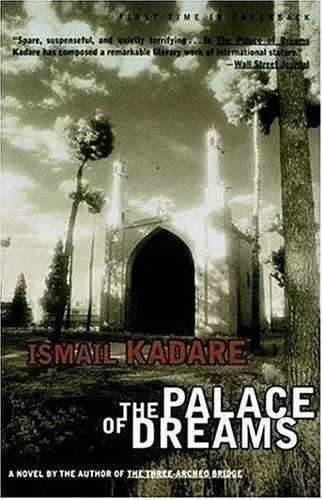
A young man enters an imperial institution that gathers the dreams of every subject, sorts them, interprets them, and searches for the one dream that may disclose the empire’s future. Kadare’s premise has the lucid simplicity of myth, yet each corridor and filing room intensifies its menace: interpretation becomes administration, and symbols become instruments of punishment.
This is the austere counterpart to Ransmayr’s luxuriant transformations. Both novels imagine an empire attempting to control meaning, only to reveal that stories, dreams, and prophecies possess a dangerous autonomy. The book’s swift official suppression in communist Albania confirmed how accurately its imaginary bureaucracy had struck its real target. Now counted among Kadare’s finest novels, it turns paperwork into nightmare and political terror into timeless fable.